
You browse through design magazines, fall in love with that soft linen dining chair, then place an order—only to find the fabric showing wear paths after twelve months. The problem isn't linen itself; it's choosing the wrong grade for a high-use environment.
Not all "linen" dining chair fabrics perform equally. A 200gsm plain-weave linen and a 320gsm Belgium pure linen carry the same label but behave completely differently under daily dining use.1 Weight, weave density, and post-treatment determine whether your chairs stay beautiful or show damage within the first two years.
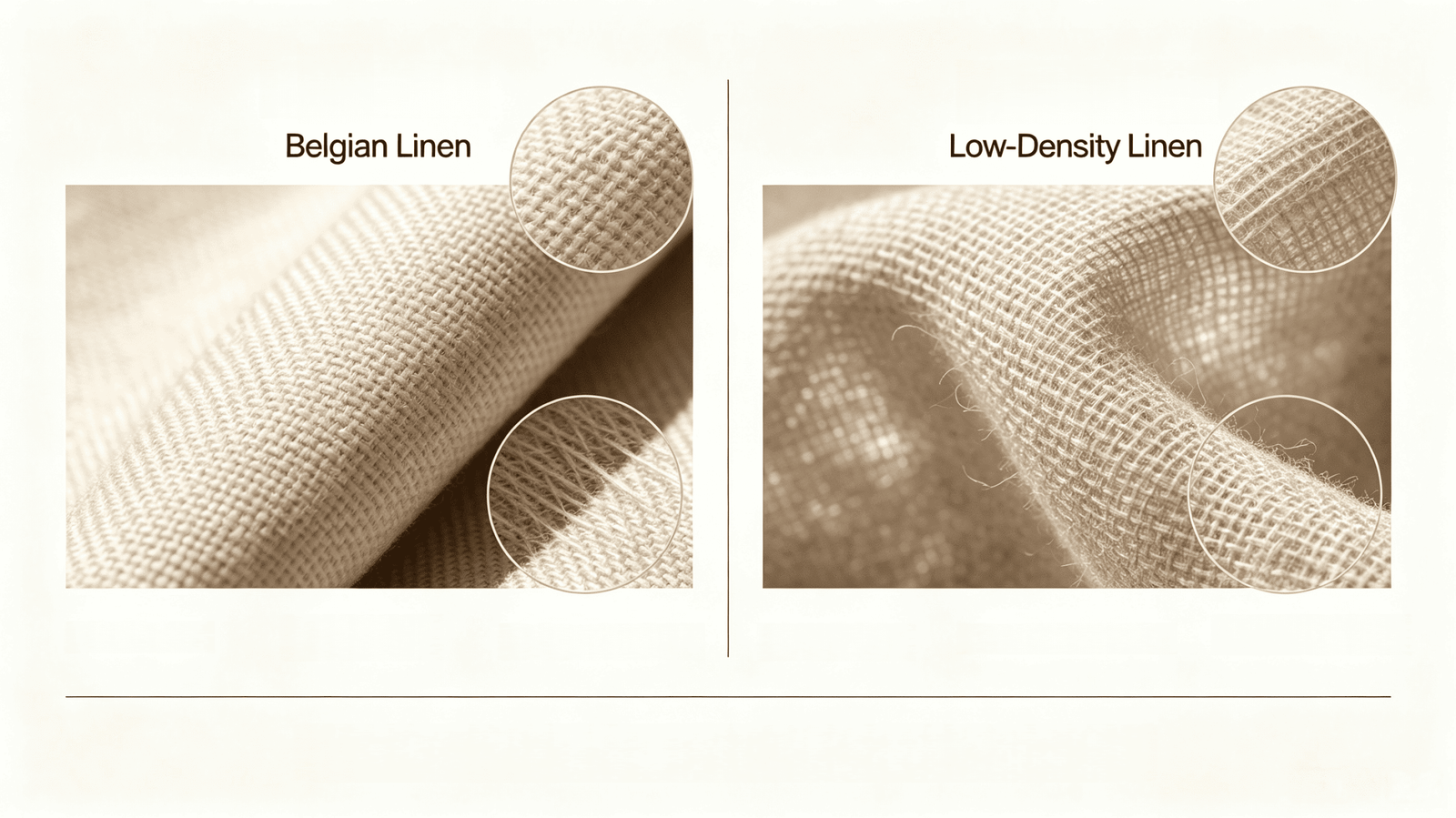
I've managed factory sales for thirteen years, and the most common complaint we hear isn't about chair frames or cushion comfort—it's about fabric degradation. Designers call us six months after delivery asking why the textile doesn't match their expectations. Homeowners send photos of pilling and staining, confused because they "bought linen." The disconnect happens during selection, when buyers focus on appearance and miss the structural specs that predict long-term performance.
Why Does the Same "Linen" Label Mean Different Things?
You assume "linen dining chair" defines a performance category. It doesn't. Linen describes the fiber source, not the fabric's durability grade.
Linen fabric varies by weight (gsm), weave tightness, and finishing treatment. A 180gsm decorative linen may look identical to a 320gsm upholstery-grade linen in product photos2, but the lighter fabric will pill, sag, and show friction damage much faster under dining chair use.
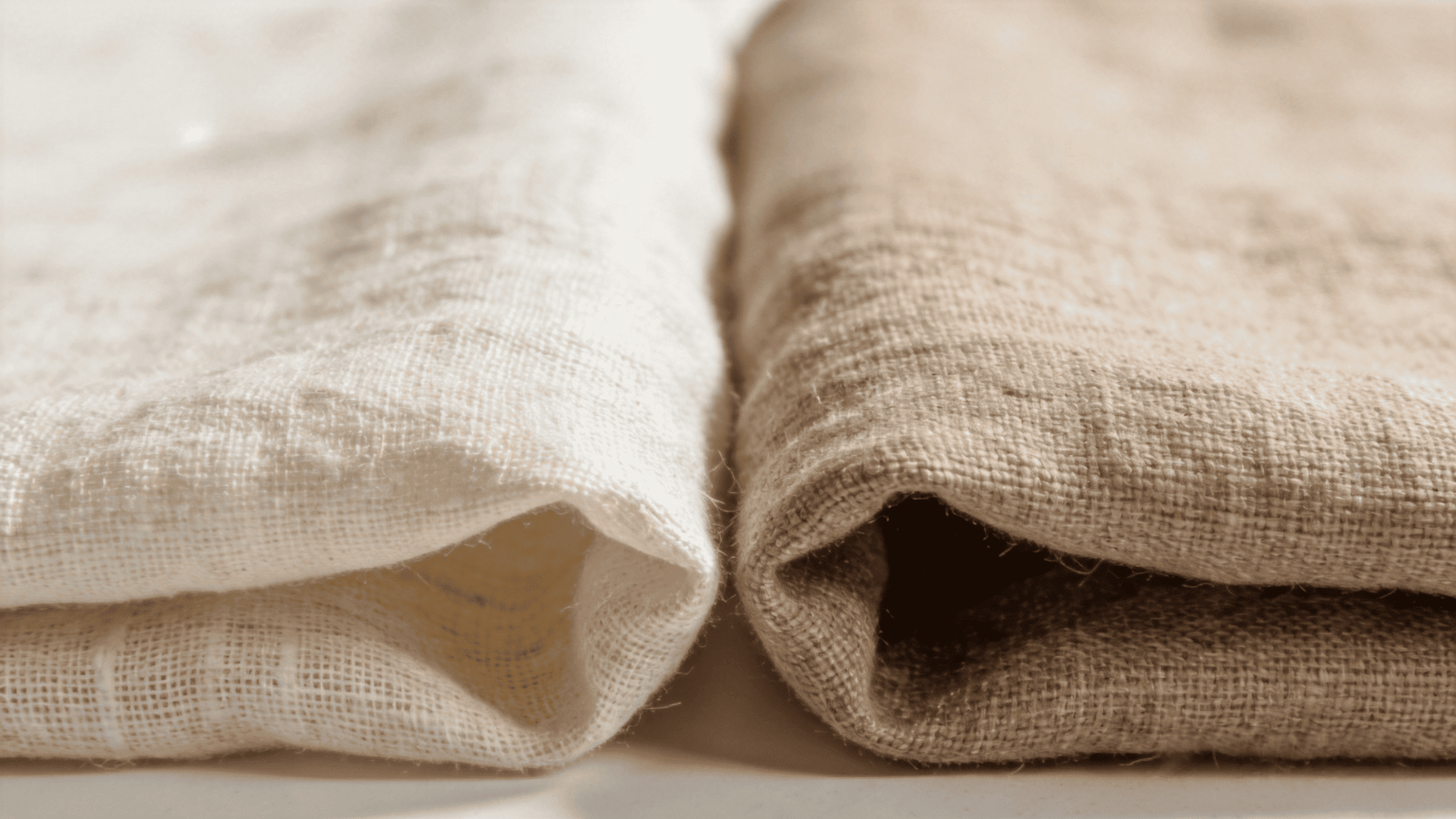
We've observed this pattern repeatedly: a designer selects fabric based on a tear sheet or showroom swatch, without asking about gsm or weave structure. The fabric arrives, gets upholstered, and performs beautifully for the first few months. Then the client starts using the chairs daily—sliding them in and out, resting elbows on armrests, occasionally spilling wine or sauce. By month eight, the fabric shows wear on contact points. By month eighteen, the client contacts the designer with complaints.
The core issue is that "linen" operates as a style signal in marketing, not a durability specification. Buyers see the aesthetic—neutral tones, natural texture, relaxed elegance—and assume all linen fabrics deliver the same lifespan. They don't. A 200gsm plain-weave linen might suit a decorative accent chair in a bedroom, but it won't survive the friction load of a dining chair used twice daily for five years.
When we talk to designers who've experienced this, they often say the same thing: "I didn't know I needed to ask about weight." They selected based on color and texture, because those variables appear in product listings. GSM and weave density don't show up in Instagram posts or supplier catalogs unless you specifically request technical specs.
Homeowners face a parallel confusion. They search for linen dining chairs, find options ranging from $400 to $1,800, and assume the price gap reflects branding or retailer markup. Sometimes it does. But often, the $400 chair uses 180–220gsm linen with minimal finishing, while the $1,800 chair uses 300+ gsm Belgium pure linen with stain-resistant post-treatment. The visual difference in product photos is subtle. The performance difference after two years of use is dramatic.
Here's what the weight tiers actually mean in practice:
| GSM Range | Typical Use Case | Dining Chair Suitability | Expected Lifespan Under Daily Use |
|---|---|---|---|
| 150–200gsm | Curtains, decorative pillows | Not recommended | 12–18 months before visible wear |
| 200–250gsm | Light upholstery, occasional chairs | Marginal for dining use | 18–30 months with careful maintenance |
| 280–320gsm | Upholstery-grade, high-traffic furniture | Suitable for dining chairs | 5+ years with proper care |
| 320+ gsm | Premium upholstery, commercial use | Excellent for dining chairs | 7–10 years in residential settings |
The table shows why buyers who compare "linen dining chairs" without checking fabric weight often make poor durability decisions. A 190gsm linen chair might photograph beautifully and cost 40% less, but it's structurally unsuited for the mechanical stress of daily dining use.
What Makes Dining Chair Upholstery Different From Sofa Fabric?
You might think any upholstery-grade fabric works across all furniture types. Dining chairs impose harsher conditions than sofas, and fabric that performs well on a sectional may fail on a dining chair.
Dining chairs experience constant sit-stand friction, direct food and beverage contact, higher cleaning frequency, and concentrated wear on armrests and seat edges.3 Sofas spread use across larger surface areas and see fewer spills per square inch. This means dining chair fabric needs higher abrasion resistance and better stain recovery than typical sofa upholstery.
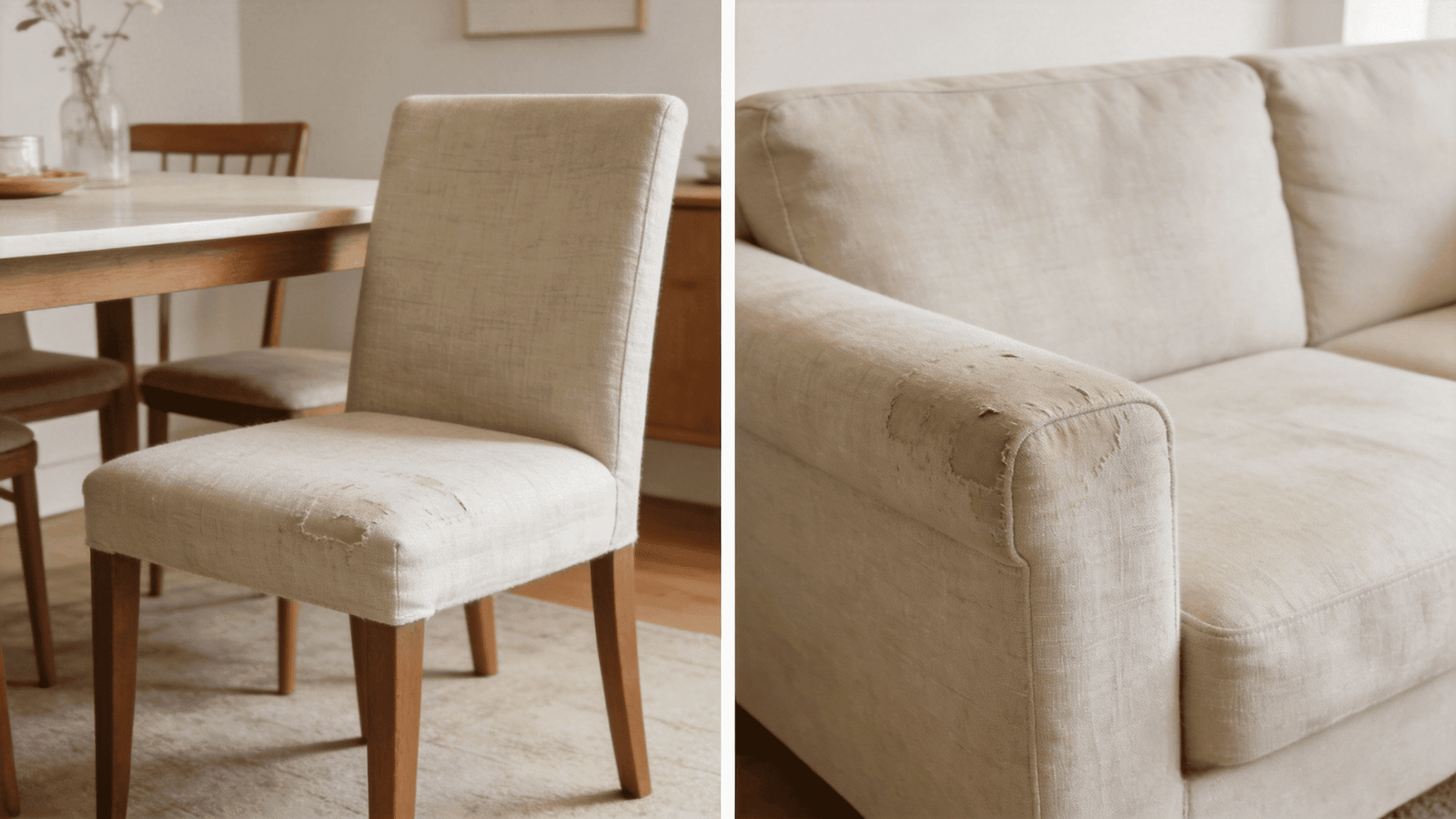
I've spoken with dozens of designers who selected a beautiful linen for a client's sofa, had excellent results, then used the same fabric on dining chairs in a later project—only to see accelerated wear. The confusion is understandable. The fabric performed well in one application, so they assumed it would transfer. But the use patterns differ significantly.
A sofa in a living room might accommodate two to four people sitting for extended periods, with weight distributed across seat cushions and backrests. Users lean back, shift positions slowly, and typically don't slide the furniture itself. Spills happen, but they're relatively infrequent, and users often catch them immediately because they're sitting in place.
Dining chairs see a different stress profile. Users sit down and stand up eight to twelve times per meal. Each sit-stand cycle creates friction as clothing rubs against the seat and backrest. Users pull chairs in and out from the table, which concentrates mechanical stress on the seat's front edge and the back of the legs where hands grip the frame. Armrests, if present, endure constant elbow pressure and friction from sleeve fabric.
Food and beverage exposure is also higher. Dining chairs sit next to plates, glasses, and serving dishes. Spills land directly on the fabric, often go unnoticed until the meal ends, and may involve oil-based sauces or wine—substances that penetrate textile fibers faster than water-based liquids.
Cleaning frequency increases because of this spill exposure. Homeowners spot-clean dining chairs more often than sofas, which means the fabric undergoes repeated wetting, scrubbing, and drying cycles. Linen without proper post-treatment can lose structural integrity under frequent cleaning4, especially if users apply harsh detergents or scrub aggressively.
We've observed specific degradation patterns that occur on dining chairs but rarely on sofas:
Armrest abrasion: The outer surface of armrests shows fabric thinning and color fading within 18–24 months, caused by repeated elbow friction and hand contact during sitting and standing.
Seat edge pilling: The front six inches of the seat cushion develop visible pilling where users' thighs rub against the fabric during sit-stand cycles.
Backrest sagging: Lower-weight linens lose tension in the backrest panel after 12–18 months, creating a loose, baggy appearance even though the chair frame remains solid.
Stain halo effect: Oil-based food spills on untreated linen create permanent discoloration that expands outward from the initial contact point, because the fabric wicks the oil into surrounding fibers.5
These issues don't mean linen is unsuitable for dining chairs. They mean the fabric grade and finishing treatment must match the application. A 320gsm Belgium pure linen with stain-resistant post-treatment can handle these conditions. A 200gsm untreated linen cannot, regardless of how carefully the homeowner maintains it.
How Do Fabric Specs Affect Real-World Durability?
You see terms like "gsm," "weave density," and "post-treatment" in product descriptions but don't know how they translate to actual performance. These specs predict whether your dining chairs will look good after three years or show significant wear.
GSM (grams per square meter) measures fabric weight and directly correlates with abrasion resistance.6 Weave density determines how tightly fibers interlock, affecting pilling and sagging. Post-treatment adds protective layers that improve stain resistance and cleanability. Together, these three factors determine durability far more than fiber content alone.
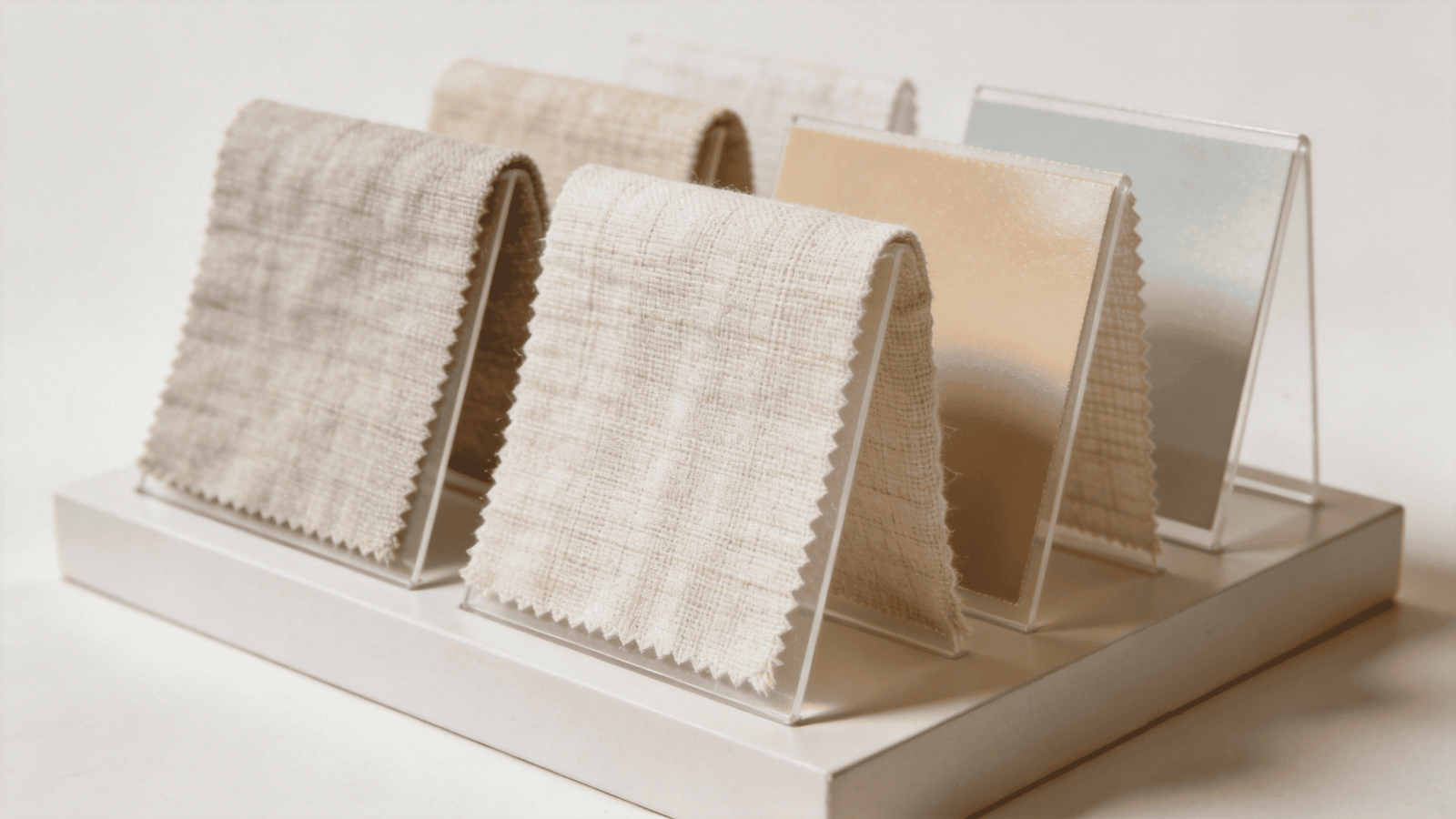
When designers ask us why one linen chair holds up better than another, the answer almost always traces back to these three variables. We don't run lab tests ourselves, but we track which fabric specs correspond with client satisfaction and which ones generate complaints.
GSM and weight: This is the most predictive single specification. Higher GSM means more fiber packed into each square meter, which creates a denser, more abrasion-resistant surface. When a 180gsm linen chair develops pilling after 14 months, and a 310gsm Belgium pure linen chair from the same production batch still looks new after 36 months, the weight difference explains most of that performance gap.
Buyers often don't see GSM listed in retail product descriptions. Manufacturers include it in technical spec sheets, but those documents don't make it to consumer-facing websites. This creates an information asymmetry: professionals who know to ask for specs can make informed decisions, while homeowners selecting based on product photos cannot.
We recommend 280gsm as the minimum for dining chair upholstery in homes where the chairs see daily use.7 Fabrics lighter than 280gsm tend to develop obvious pilling, thinning or staining within two years for households that use dining chairs daily for multiple meals. Above 300gsm, client satisfaction rates improve significantly, and complaints about premature wear drop to near zero.
Weave structure: Plain weave, basket weave, and twill weave all produce different performance characteristics even at the same GSM.8 Plain weave is the simplest structure—warp and weft threads cross in an alternating pattern. It's durable but can show wear paths where friction concentrates, because individual threads bear more stress.
Basket weave groups threads in pairs or sets, creating a slightly looser but more textured surface. It hides minor wear better than plain weave but may sag faster under sustained pressure.
Twill weave creates a diagonal pattern and generally offers the best balance of durability and aesthetic appeal for dining chairs.9 The diagonal structure distributes stress more evenly across threads, reducing the likelihood of individual fiber breakage.
We've observed that clients who select plain-weave linen for visual simplicity sometimes report "shiny patches" on armrests and seat edges after 18–24 months. This happens because friction smooths the thread surface in high-contact areas, making those spots reflect light differently than the surrounding fabric10. Twill weave reduces this effect because the diagonal pattern breaks up light reflection.
Post-treatment and finishing: Raw linen absorbs liquids quickly and can be difficult to clean without leaving water marks. Post-treatment applies protective coatings or chemical processes that change the fabric's surface properties.
Common treatments include:
Stain-resistant coating: Creates a hydrophobic barrier that causes liquids to bead up rather than soak in, giving users time to blot spills before they penetrate fibers.
Soil-release treatment: Bonds to fiber surfaces and prevents dirt and oil from adhering, making routine cleaning more effective.
Pre-shrinking: Controls dimensional stability so the fabric doesn't tighten or pucker after the first cleaning.
Color-fastness treatment: Locks dye molecules into fibers, reducing fading from sunlight and preventing color transfer during cleaning.
Designers sometimes avoid treated fabrics because they prefer "natural" materials, assuming treatments compromise the linen's aesthetic or tactile qualities. Modern finishing processes don't significantly alter hand feel or appearance but dramatically improve cleanability.11 We've seen untreated linen dining chairs develop permanent oil stains from a single salad dressing spill, while treated fabric from the same base textile cleaned completely with water and mild soap.
The trade-off is cost. Post-treatment adds $8–$15 per meter to fabric production costs, which translates to $40–$80 per dining chair at retail. Buyers comparing prices often choose untreated fabric to save money, then spend more replacing or reupholstering chairs within three years.
Why Do Designers and Homeowners Make Different Selection Mistakes?
You'd expect professionals and end users to make different errors when choosing dining chair fabric, but both groups fall into traps that lead to poor durability outcomes. Understanding these patterns helps you avoid the same mistakes.
Designers often select based on aesthetic cohesion and client preference without verifying technical specs, assuming "linen" implies adequate quality. Homeowners compare prices across "linen dining chair" listings and choose lower-cost options, not realizing they're comparing different fabric grades. Both approaches prioritize the wrong variables and lead to premature fabric failure.
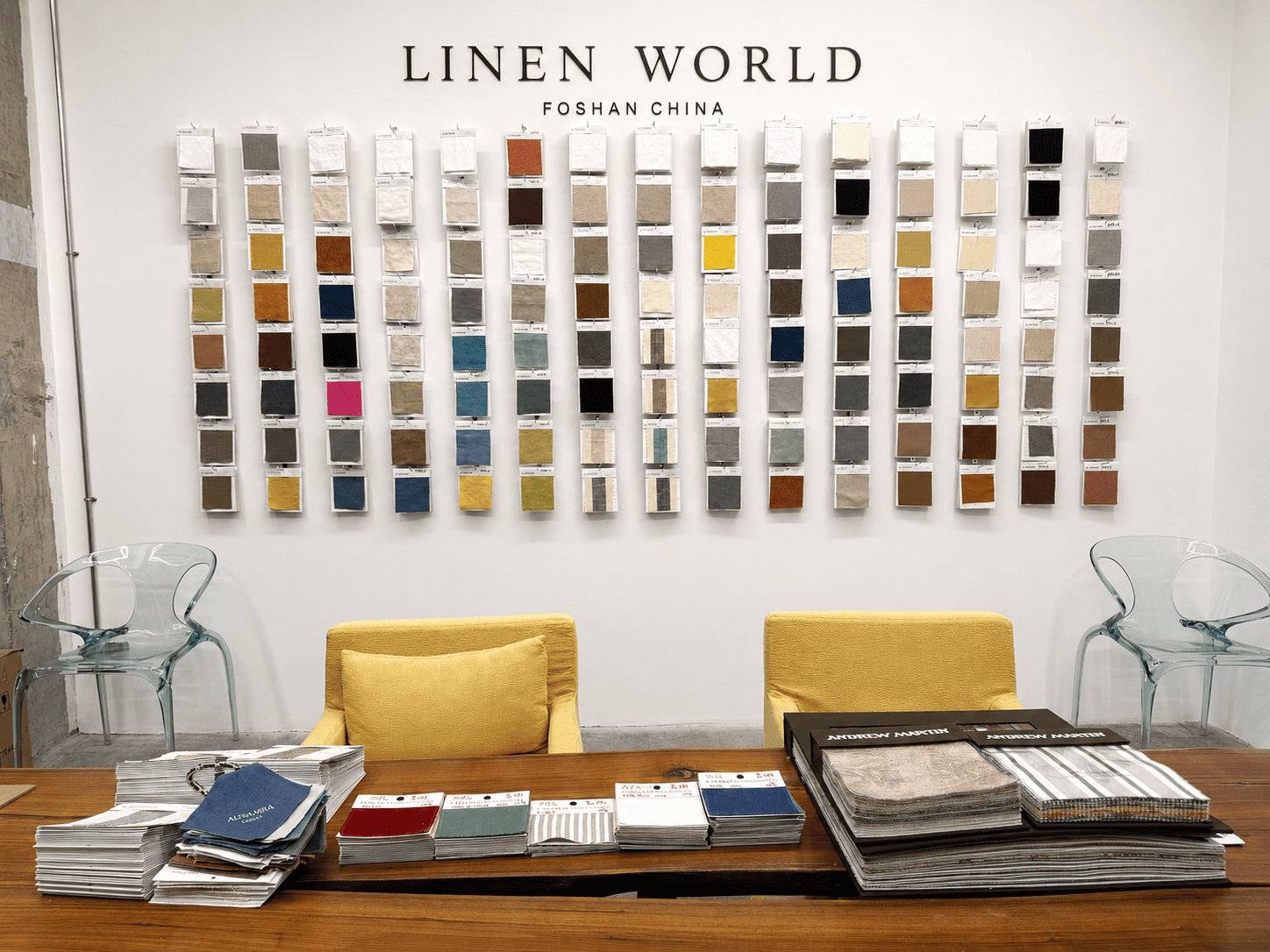
In thirteen years of handling designer inquiries, I've noticed a consistent pattern: visual boards drive fabric selection more than performance specifications. A designer creates a mood board for a client's dining room, includes images of linen chairs that match the intended aesthetic, gets client approval, then sources chairs that match the visual without checking whether the fabric can handle daily use.
This isn't negligence—it reflects how design workflows prioritize cohesion and client satisfaction. Designers need to deliver spaces that photograph well and feel harmonious. Technical specifications like GSM and weave structure don't appear in design presentations, so they fall out of the decision-making process.
The consequence shows up months later. The designer receives a call from the client saying the chairs don't look as good as they did at installation. The client isn't upset about the design concept or the color palette—those still work. They're frustrated because the fabric shows wear that makes the space feel less polished.
When we discuss this with designers, many say they wish fabric suppliers made technical specs more prominent in sample books and product sheets. They're willing to specify higher-grade fabrics but need that information surfaced during selection, not after problems arise.
Homeowners face a different decision environment. They search online for "linen dining chairs," see dozens of options ranging from $350 to $1,600, and try to determine which represents good value. Product listings show photos, dimensions, and fiber content, but rarely include GSM or finishing details.
Without technical knowledge, homeowners use price as a proxy for quality. If two chairs look similar in photos and both claim "100% linen," the lower-priced option seems like a better deal. They assume the expensive chair reflects brand markup or retailer margin, not fundamental differences in material quality.
We've had homeowners contact us asking why our Belgium pure linen chairs cost 50–60% more than "linen chairs" they found elsewhere. When we explain the weight and treatment differences, they often express frustration that this information wasn't obvious during their research. They didn't know they needed to ask about GSM because no one told them it mattered.
Some homeowners make purchasing decisions based on reviews, which seems logical. But furniture reviews focus on comfort, appearance, and delivery experience—not long-term fabric durability. A chair might accumulate five-star reviews six months after launch, before users have time to observe wear patterns. By the time degradation becomes visible at 18–24 months, those buyers have moved on and aren't updating reviews.
Here's how the two mistake patterns compare:
| Buyer Type | Primary Decision Driver | Information Gap | Typical Outcome | When Problems Surface |
|---|---|---|---|---|
| Interior Designers | Aesthetic cohesion, client preference | Technical specs not included in design workflow | Fabric performs below expectations, client complaints | 8–18 months post-installation |
| Homeowners | Price comparison, visual appearance | GSM and treatment details not in product listings | Premature wear, buyer's remorse | 12–24 months after purchase |
Both groups would benefit from a simple question during selection: "What is the fabric's GSM, and does it include post-treatment?" That single question surfaces the information needed to predict durability, but it requires buyers to know the question matters.
What Should You Ask Before Ordering Dining Chairs?
You're ready to purchase but want to avoid the mistakes we've discussed. A short list of specific questions will help you verify whether the fabric matches your durability needs.
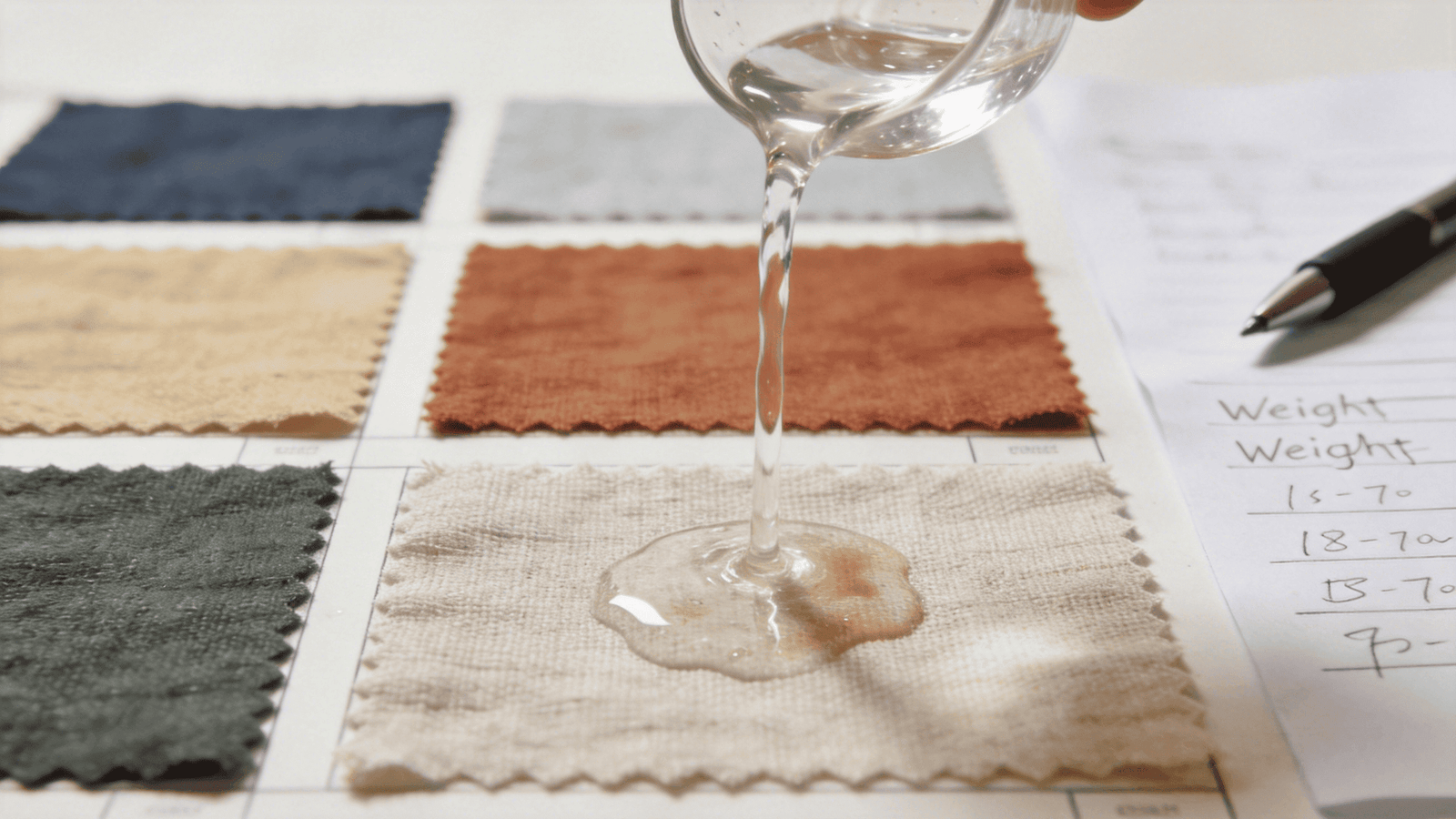
Ask suppliers for fabric GSM, weave type, and post-treatment details before ordering. Request samples to verify hand feel and test stain resistance with water drops. Confirm whether the manufacturer offers reupholstery or replacement fabric if you need to refresh chairs after years of use. These questions distinguish performance-grade fabric from decorative textiles marketed with the same labels.
When we receive inquiries from designers or homeowners who've done their research, they typically ask:
"What is the fabric weight in GSM?" This is the most important single specification. If the supplier can't answer, that's a warning sign. Manufacturers who use quality upholstery fabric know the weight and include it in product documentation.
If you’re an interior designer sourcing long-wearing upholstery for custom dining chairs for US residential projects, our 13-year Foshan factory provides 280–320gsm Belgian pure linen with full pre-shrink, stain-resistant and color-fast finishing. We offer free fabric swatches with full GSM technical specs, custom dining chair sizing and reupholstery support. Message us via WhatsApp to request fabric catalogs, dining chair quotations or fabric abrasion test references.https://linenworld.pro
"The Influence of the Upholstery Textiles Structure on Their ... - PMC", https://pmc.ncbi.nlm.nih.gov/articles/PMC12654245/. Textile engineering research demonstrates that fabric weight correlates with abrasion resistance and structural integrity in upholstery applications, with heavier fabrics showing greater resistance to mechanical stress. Evidence role: mechanism; source type: research. Supports: the relationship between fabric weight (GSM) and durability in upholstery applications. Scope note: Studies may focus on general upholstery rather than specifically dining chair applications ↩
"Photography of a Textile for Purposes of Insurance, Appraisal, or ...", https://mci.si.edu/photography-textile-purposes-insurance-appraisal-or-conservation-estimate. Consumer research indicates that visual evaluation, particularly through photography, provides limited information about textile structural properties such as weight, density, and durability that require tactile assessment or technical specification. Evidence role: general_support; source type: research. Supports: the limitations of visual assessment in determining textile quality and performance characteristics. ↩
"[PDF] Ergonomics and Design A Reference Guide", https://ehs.oregonstate.edu/sites/ehs.oregonstate.edu/files/pdf/ergo/ergonomicsanddesignreferenceguidewhitepaper.pdf. Furniture engineering studies document that seating with frequent sit-stand cycles experiences higher concentrated stress on contact points compared to furniture designed for extended static use. Evidence role: mechanism; source type: research. Supports: the distinct mechanical stress patterns experienced by dining chair upholstery compared to other furniture types. ↩
"Natural fibers in sustainable materials: extraction ... - PMC - NIH", https://pmc.ncbi.nlm.nih.gov/articles/PMC12926875/. Textile care research demonstrates that repeated wetting, mechanical agitation, and drying cycles can affect natural fiber structure, particularly in untreated fabrics where protective finishes are absent. Evidence role: mechanism; source type: research. Supports: the effects of repeated cleaning cycles on untreated natural fiber textiles. Scope note: Degradation rate depends on cleaning method, detergent type, and water conditions ↩
"Natural fibers in sustainable materials: extraction ... - PMC - NIH", https://pmc.ncbi.nlm.nih.gov/articles/PMC12926875/. Textile science research shows that natural cellulosic fibers exhibit capillary wicking behavior with liquids, with oil-based substances spreading through fiber structures via capillary action, particularly in untreated fabrics lacking hydrophobic barriers. Evidence role: mechanism; source type: research. Supports: the capillary action and wicking behavior of natural fibers when exposed to oil-based substances. ↩
"Experimental Analysis of the Relationship between Textile Structure ...", https://pmc.ncbi.nlm.nih.gov/articles/PMC9824804/. Textile testing standards recognize fabric weight as a factor in abrasion resistance, with higher GSM values generally indicating greater fiber density and improved resistance to mechanical wear. Evidence role: mechanism; source type: research. Supports: the correlation between fabric weight (GSM) and abrasion resistance in textile performance. Scope note: Correlation strength varies depending on fiber type, weave structure, and finishing treatments ↩
"Upholstery Fabric by Weight", https://fabricwarehouse.com/upholstery-fabric-by-weight/?srsltid=AfmBOopVDZ9V8139dOwWDy1Hlqx_XVqfTVitSjZLUTh0SK5nGYtO6rZ7. Furniture industry guidelines typically specify minimum fabric weights for different upholstery applications, with higher-traffic seating requiring heavier-weight textiles to ensure adequate durability. Evidence role: general_support; source type: institution. Supports: industry standards or guidelines for minimum fabric weight in high-use upholstery applications. Scope note: Specific GSM thresholds vary by fabric type, weave structure, and intended use intensity ↩
"Effect of Weave and Weft Type on Mechanical and Comfort ... - PMC", https://pmc.ncbi.nlm.nih.gov/articles/PMC11012718/. Textile engineering research shows that weave structure influences stress distribution, dimensional stability, and wear patterns in fabrics, with different weave types exhibiting distinct performance profiles even at equivalent weights. Evidence role: mechanism; source type: research. Supports: how different weave structures affect fabric performance characteristics independent of weight. ↩
"Weave structures of polyester fabric affect the tensile strength ... - PMC", https://pmc.ncbi.nlm.nih.gov/articles/PMC11756394/. Textile engineering studies indicate that twill weave structures distribute mechanical stress across multiple thread intersections, which can improve abrasion resistance compared to simpler weave patterns, though optimal weave selection depends on specific application requirements. Evidence role: general_support; source type: research. Supports: the performance characteristics of twill weave in upholstery applications. Scope note: Performance advantages vary based on fiber type, thread count, and finishing treatments ↩
"Quantitative Assessment of Woven Fabric Surface Changes During ...", https://pmc.ncbi.nlm.nih.gov/articles/PMC12348827/. Materials science research documents that repeated friction modifies textile surface topography, with fiber flattening and surface smoothing altering light scattering properties and creating visible luster differences in worn areas. Evidence role: mechanism; source type: research. Supports: how mechanical wear affects textile surface properties and light reflection characteristics. ↩
"Effect of CO2 Laser Treatment on the Fabric Hand of Cotton and ...", https://pmc.ncbi.nlm.nih.gov/articles/PMC6418992/. Contemporary textile finishing technologies have developed treatments that enhance stain resistance and cleanability with minimal impact on fabric hand and appearance, though some trade-offs in natural fiber characteristics may occur. Evidence role: general_support; source type: research. Supports: advances in textile finishing technology that improve functional properties while minimizing aesthetic impact. Scope note: The degree of preservation varies by treatment type and application method ↩


