
Linen looks strong. Linen also feels fragile in the wash. I used to worry every laundry day. I learned a simple method. I now get soft, clean linen without damage.
Wash linen in cool or warm water on gentle. Use a mild liquid detergent. Skip bleach and fabric softener. Wash similar colors. Do not overload. Air dry flat or hang. Tumble on low only to loosen wrinkles. Steam to finish.
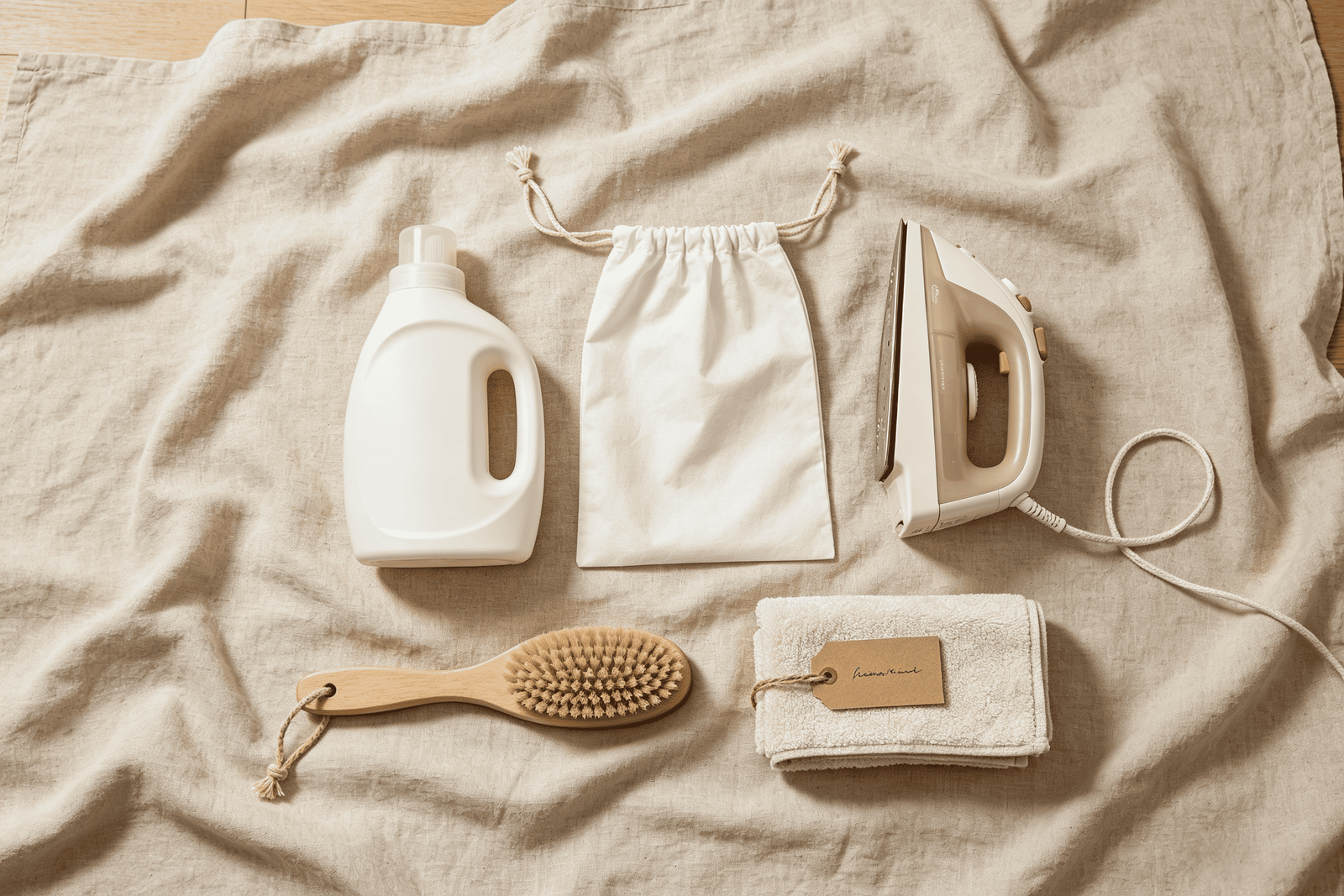
I make linen furniture and live with linen every day. I also wash it every week. I have ruined covers before. I have also saved many. I will share the steps I now use. I will keep it simple. I will give exact settings. I will show what to do and what to avoid. I will also tell you when to choose a pro.
What water temperature and cycle should I choose?
I see people choose hot water out of habit. They hope hot water will clean better. Hot water can shrink linen and weaken fibers.1 I learned this the hard way once.
Choose cool to warm water, 30–40°C (86–104°F), and a gentle cycle.2 Select low to medium spin. This keeps fibers smooth. It controls shrinkage. It avoids deep creases. It still cleans well when you use a good detergent.
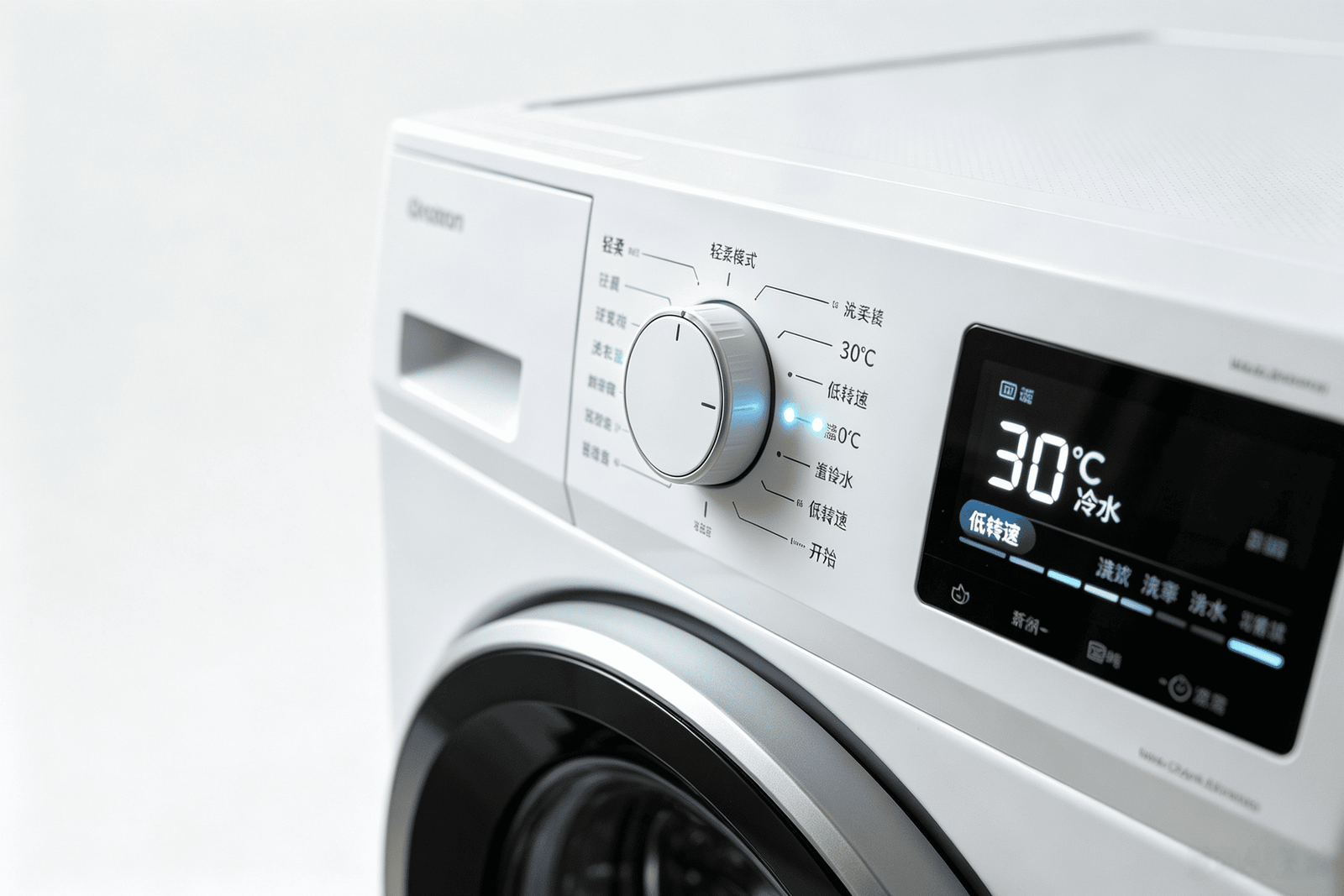
Why these settings work
Linen fibers are strong when dry. They get more flexible when wet.3 Heat and high spin can distort the weave. A gentle cycle with moderate temp cleans oils and dust. It protects the structure. I use this method for garments, bedding, and slipcovers that are marked machine washable. I also tell clients to close zippers and turn covers inside out. This reduces abrasion on the face fabric.
Quick setup table
| Item type | Water temp | Cycle | Spin | Notes |
|---|---|---|---|---|
| Garments | 30–40°C / 86–104°F | Gentle | Low–Medium | Use mesh bag for delicate trims |
| Bedding | 30–40°C / 86–104°F | Gentle | Medium | Wash with similar colors |
| Slipcovers | 30°C / 86°F | Gentle | Low | Close zippers, inside out |
My personal check
I always test for colorfastness. I wet a hidden seam. I blot with a white cloth. I check for dye transfer. If I see color, I lower the temp and reduce spin. I sometimes hand wash that piece.
Should I hand wash or machine wash linen?
I often face this choice. I ask myself three questions. Does the label allow machine wash? Does the piece have fragile trims? Is the dye unstable? My choice changes based on that.
Use machine wash for sturdy linen with a clear care label. Use hand wash for open weaves, fringes, or unknown dyes. Hand wash is slower, but it prevents snagging and harsh spin. It also gives more control over soak time.
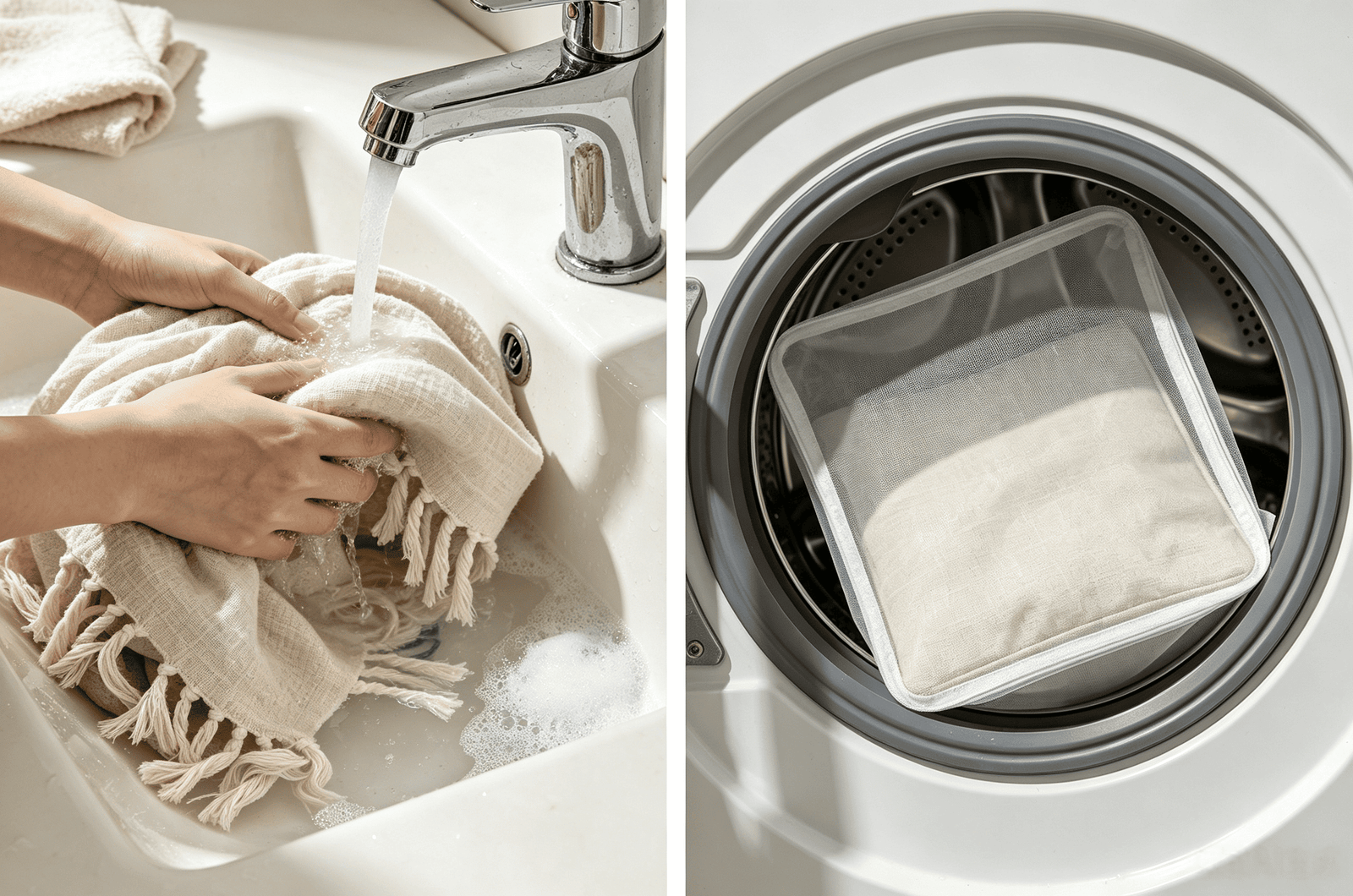
Simple decision steps
I keep a short flow in my head. I check the label first. I look at seams and trims. I test colorfastness. I then pick the method. I use the sink for hand wash. I fill with cool water. I add a mild liquid detergent. I swish gently for five minutes. I rinse until water runs clear. I press out water with a towel. I never wring. I lay flat to dry on a rack.
Method picker table
| Condition | Method | Reason | Tip |
|---|---|---|---|
| Label says machine gentle | Machine | Tested tolerance | Use mesh bags for small items |
| Open weave or heavy fringe | Hand wash | Avoid snag and distortion | Support fabric when lifting |
| Unknown dye or artisan piece | Hand wash | Control and test | Short soak, cool water |
| Fixed upholstery (non-removable) | Pro clean | Avoid saturating foam and frame | Ask for solvent-based spot clean |
A story from my workshop
I once washed a hand-fringed linen throw in a machine bag. The fringe twisted. I then tried hand wash next time. The fringe stayed smooth. The fabric looked softer. I now hand wash anything with fringe.
How do I treat stains on linen safely?
Stains make people panic. Panic leads to bleach. Bleach ruins linen.4 I have seen it eat holes. I use a safer plan now.
Blot fast. Pre-treat with an enzyme detergent or oxygen-based cleaner. Work from the outside in. Rinse well. Wash as usual. Skip chlorine bleach. Skip harsh scrubbing. Test first.
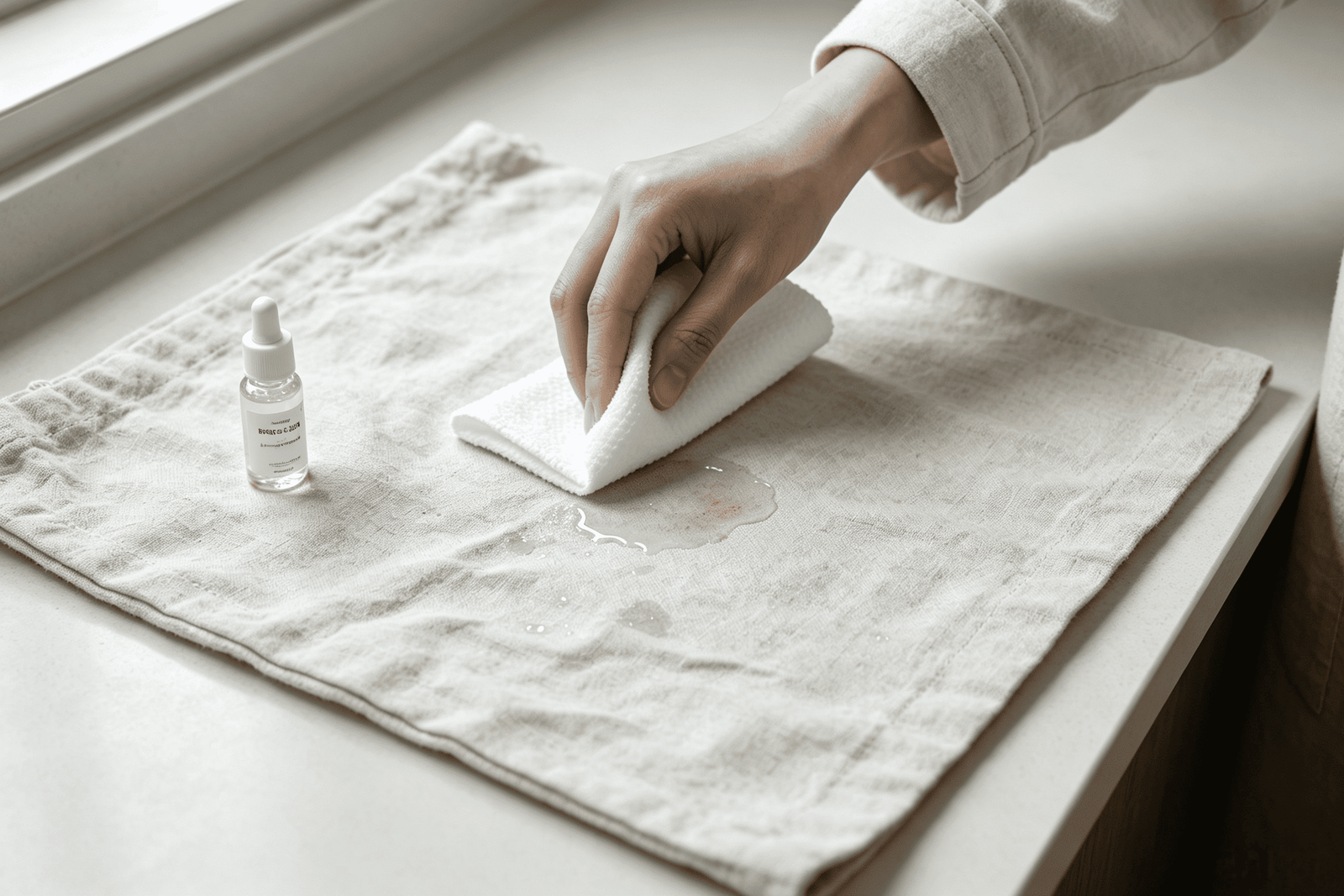
Step-by-step stain rescue
I always act fast. I blot with a white cloth. I never rub, because that drives the stain in. I use cold water for protein stains like blood or milk.5 I use warm water for oils. I apply an enzyme detergent on food and sweat stains.6 I use oxygen bleach on white or colorfast items. I let it sit for 10–15 minutes. I rinse. I check the stain before drying. Heat can set it.7
Stain guide table
| Stain type | First step | Pre-treat | Do not do |
|---|---|---|---|
| Red wine | Blot, cold water | Oxygen bleach paste (test) | Hot water, chlorine bleach |
| Oil/grease | Blot, warm water | Dish soap or enzyme detergent | Rubbing hard |
| Coffee/tea | Blot, warm water | Oxygen bleach (test) | Mixing cleaners |
| Blood | Blot, cold water | Enzyme detergent | Warm water first |
| Ink | Blot, alcohol dab8 | Repeat dabs, then rinse | Scrub in circles |
Upholstery note
I treat stains on fixed upholstery with care. I blot. I use minimal water. I use a solvent cleaner made for upholstery when allowed. I test under the seat cushion. I stop if I see dye lift. I call a pro for big spills.
How should I dry linen to avoid shrinkage?
Drying is where most damage happens. Heat shrinks linen. Overdrying locks in wrinkles. I learned to control both.
Air dry flat or hang on a padded hanger. Shake and reshape seams. Use a tumble dryer on low for 5–10 minutes only. Remove while damp. Smooth by hand. Finish with air or a steamer.
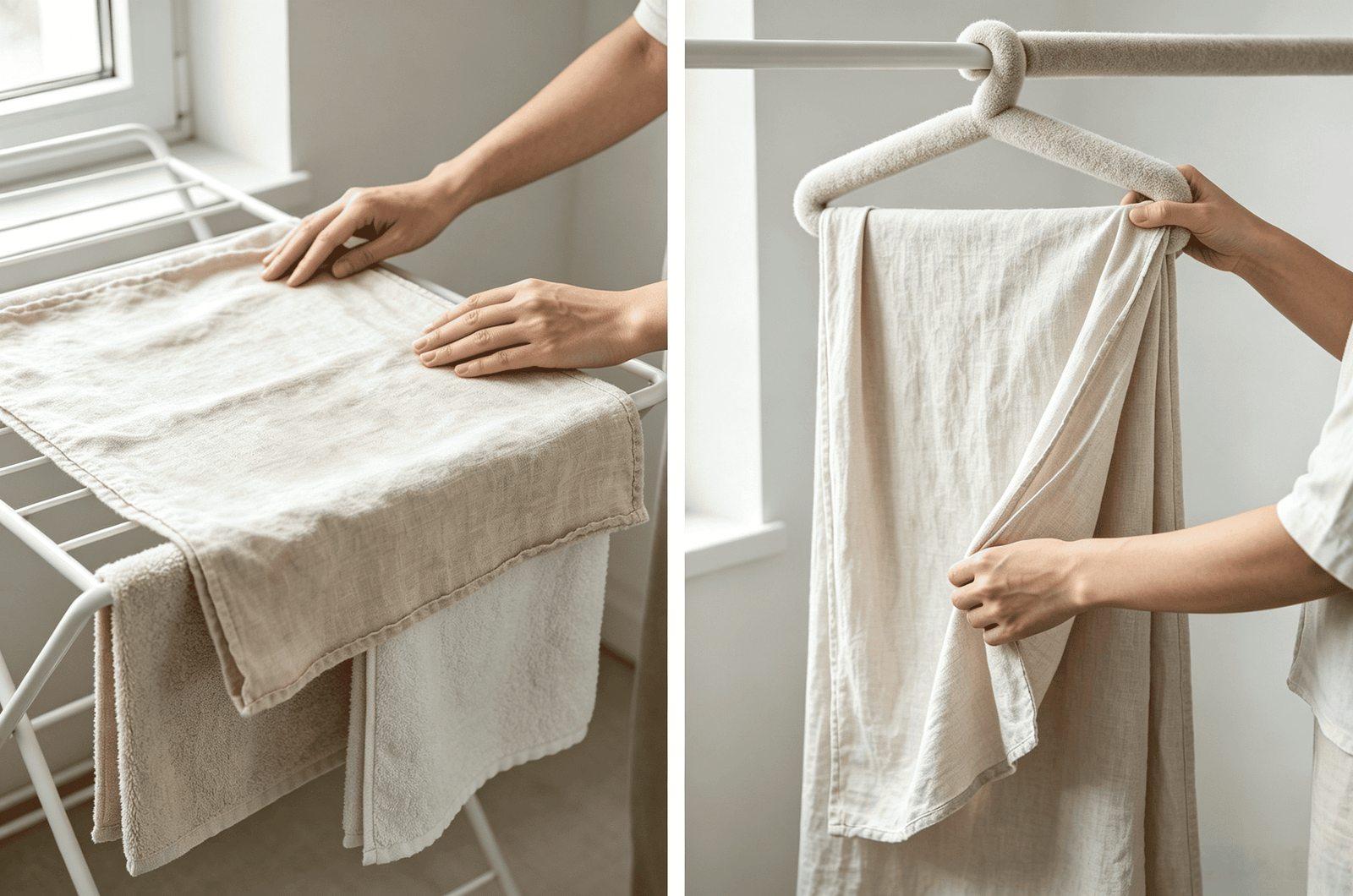
Drying that protects shape
I pull items from the washer early. I smooth the edges with my hands. I lay pieces on a rack with towels. I keep airflow around them. I avoid direct sun for dark colors.9 I do a short, low-heat tumble to soften and release wrinkles. I then hang to finish. This prevents tight creases and extra shrinkage.
Dry choices table
| Method | Shrink risk | Wrinkle level | Best for | Tip |
|---|---|---|---|---|
| Air dry flat | Low | Low | Heavy covers, sweaters | Flip halfway for even drying |
| Hang to dry | Low–Medium | Medium | Shirts, sheets | Use padded hangers, clip at seams |
| Tumble low, short | Medium | Low | Pre-washed linen | Remove damp, not dry |
Slipcover care
I dry slipcovers until damp. I then put them back on the frame to finish drying. I smooth seams with my hands. I use a steamer on the frame. The cover conforms as it dries. The fit looks tailored again.
Do I need to iron linen or can I steam it?
Many people fight linen wrinkles. I used to iron everything. I then learned to love a soft, natural look. I now press only when I need a sharp line.
Steam is usually enough. Use a good steamer on the inside and outside. If you iron, use medium heat and steam. Iron while the fabric is slightly damp.10 Press on the reverse side.
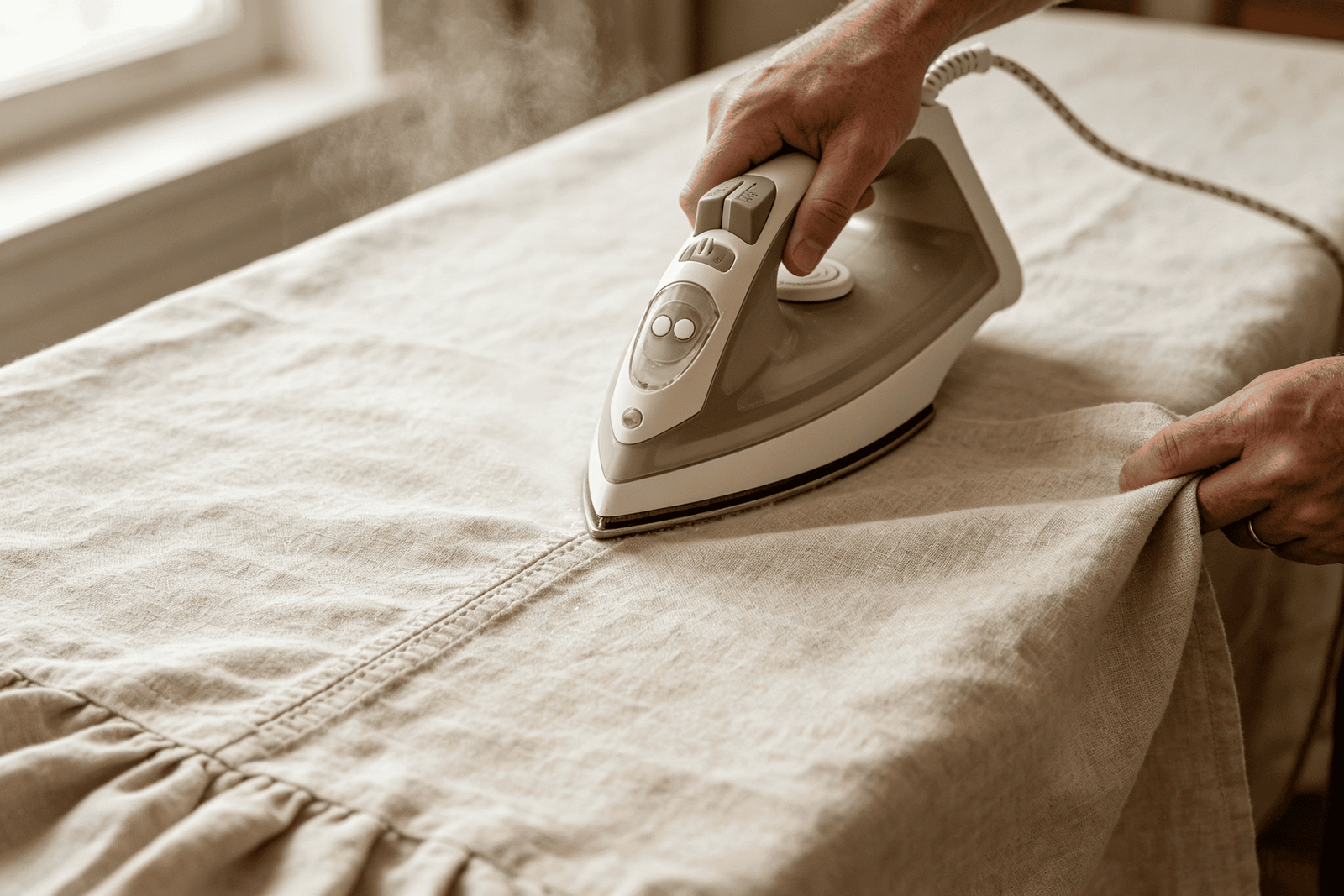
Smooth linen with less effort
I hang items after washing. I steam vertical seams first. I then move across the body. I let gravity help. If I need a crisp edge on table linen or a shirt collar, I use an iron. I place a press cloth between the iron and the linen. I avoid polish and starch. They can build up and dull the hand.
Finishing options table
| Finish need | Tool | Heat level | Technique |
|---|---|---|---|
| Natural soft look | Steamer | Medium | Slow passes, inside then face |
| Sharp creases | Iron | Medium | Press cloth, damp fabric |
| Upholstery refresh | Steamer | Medium | Short bursts, follow grain |
A note from my factory floor
We pre-steam pieces before we ship. We steam along the weave. We never drag across the bias. This keeps the shape true. I use the same rule at home.
How do I wash linen slipcovers and upholstery?
Upholstery scares people. It used to scare me too. I once shrank a cushion cover by 5%. I learned to slow down and prep.
Remove crumbs and dust first. Vacuum seams. Close zippers. Turn covers inside out. Wash on gentle in cool water. Air dry to damp. Refit while damp. Steam on the frame. For fixed upholstery, spot clean only or use a pro.
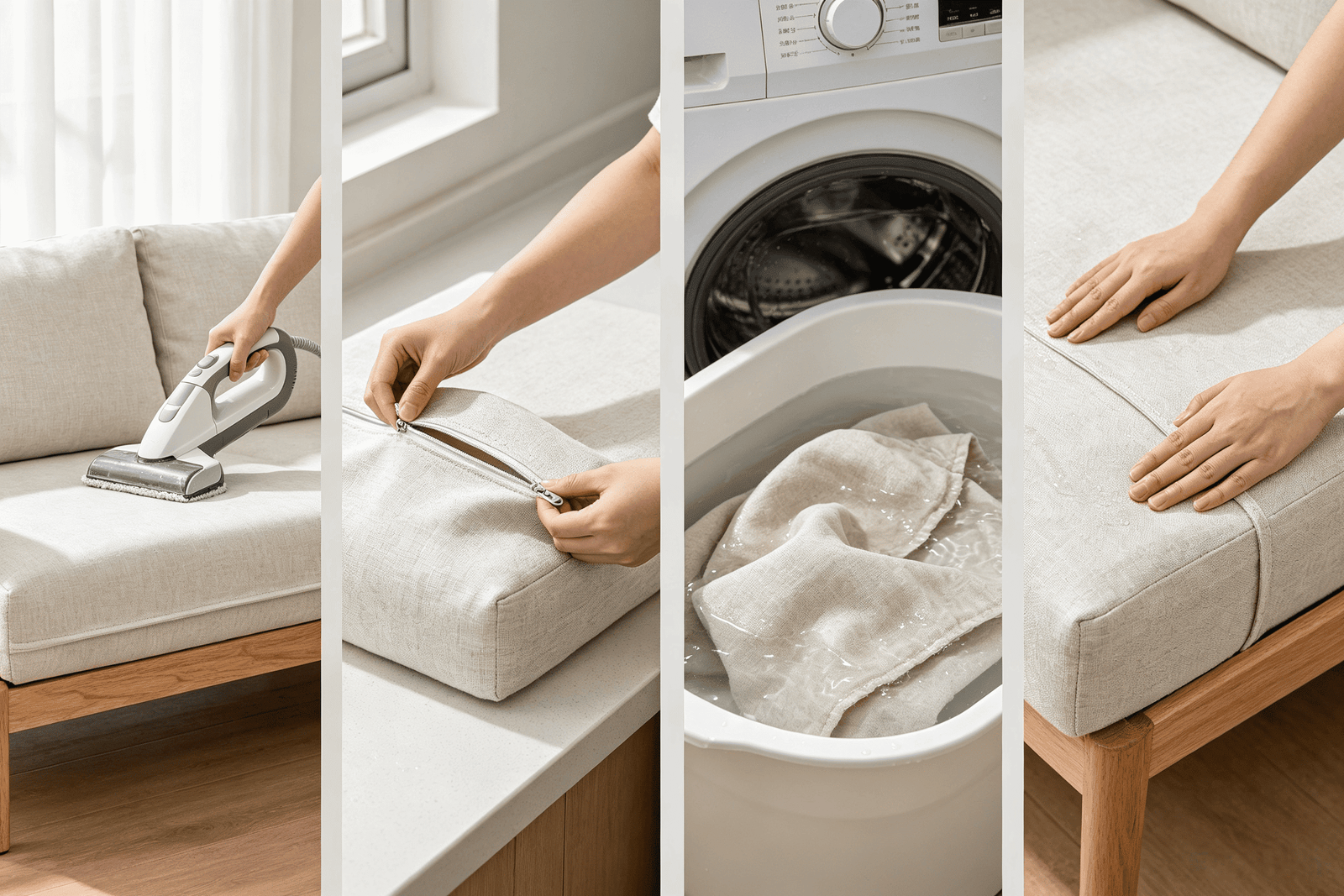
Steps I use for slipcovers
I label cushion covers before I remove them. I photograph the order. I vacuum the sofa. I treat stains before washing. I use mild liquid detergent. I wash one set at a time to avoid color shifts. I avoid overloading the machine. I dry to damp. I put covers back on when they still feel cool and slightly wet. I smooth with my hands. I steam to finish.
Upholstery care table
| Upholstery type | Cleaning method | Frequency | Notes |
|---|---|---|---|
| Removable slipcovers | Machine gentle | 4–12 weeks | Refit damp, steam on frame |
| Fixed upholstery | Spot clean / Pro clean | As needed | Avoid saturation, test solvents |
| Linen blend cushions | Machine gentle or hand | 6–12 weeks | Check blend ratio for heat tolerance |
When to call a pro
I call a pro when a stain is large, oily, or old. I call a pro when a seat core is wet. I call a pro for fixed frames. A pro can extract moisture fast. That prevents rings and odor.
How do I care for different linen colors and blends?
Colors can shift. Blends can behave in new ways. I have seen people treat all linen the same. That causes surprises later.
Wash dark and bright colors in cold water.11 Use a color-safe detergent. Separate lights and darks. For linen blends, check the dominant fiber. Adjust heat to the most sensitive fiber. Dry low and slow.
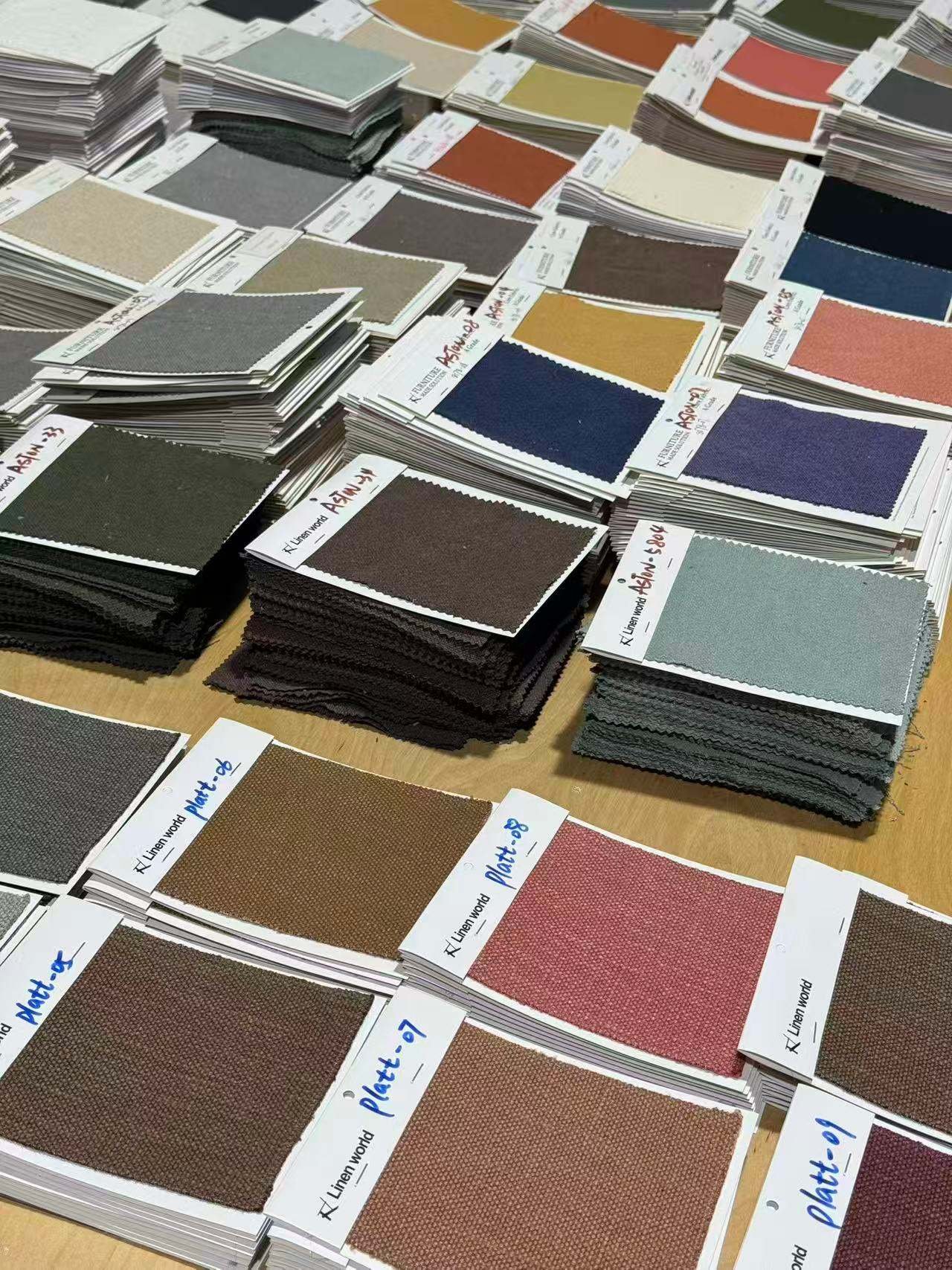
Color and blend basics
Dark linen can release extra dye at first. I wash it alone the first two to three times. I add one cup of white vinegar to the rinse if I need extra dye control. I always test a seam first. For linen-cotton blends, I use the linen settings. For linen-viscose or linen-silk, I drop the temp. I hand wash if I doubt the dye or the weave.
Color and blend table
| Fabric / Color | Wash temp | Detergent | Special note |
|---|---|---|---|
| White pure linen | 30–40°C / 86–104°F | Mild, no opticals | Oxygen bleach ok if tested |
| Dark pure linen | Cold | Color-safe | Wash alone first 2–3 times |
| Linen-cotton blend | 30–40°C | Mild | Slightly more robust than pure linen |
| Linen-viscose / silk blend | Cold, hand wash | Delicate formula | Avoid long soaks |
My dye test ritual
I wet a cotton swab. I rub a hidden seam. I check the swab for color. If it picks up dye, I choose cold water and hand wash. I reduce soak time. I add a color catcher sheet in the machine when allowed.
How often should I wash linen bedding and sofa covers?
People ask me this a lot. There is no single rule. Use and climate matter. Still, I follow a simple plan that works well.
Wash pillowcases weekly. Wash sheets every one to two weeks. Wash duvet covers every two to four weeks. Wash sofa slipcovers every four to twelve weeks, based on use and pets. Vacuum upholstery weekly.
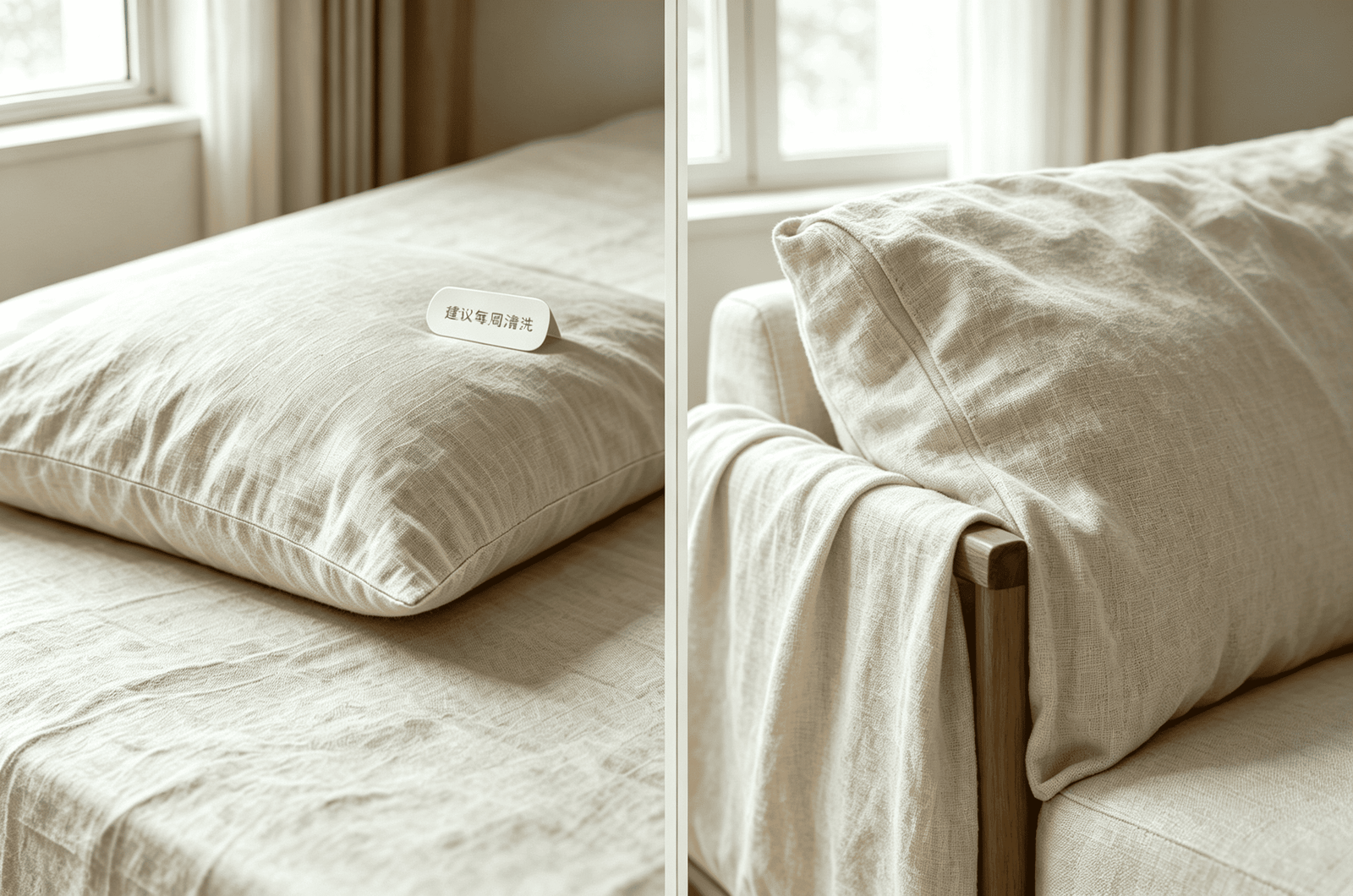
Setting a rhythm
I look at contact zones. Pillowcases touch skin and hair, so I wash them more. Sheets see less oil, so I wait a bit. Sofa arms and seat cushions get the most touch. I rotate cushions weekly. I spot clean between full washes. A routine keeps fabric clean. It also reduces the need for harsh deep cleans.
Frequency planner table
| Item | High use home | Low use home | Extra steps |
|---|---|---|---|
| Pillowcases | Weekly | Weekly | Use an extra set in rotation |
| Sheets | 1–2 weeks | 2 weeks | Air out daily |
| Duvet cover | 2–4 weeks | 4 weeks | Shake out weekly |
| Sofa slipcovers | 4–8 weeks | 8–12 weeks | Vacuum weekly, rotate cushions |
Business note from my brand
At linen world, we pre-wash many of our covers. We mark care on every label. I still ask clients to start gentle. You can always increase intensity later. Damage caused by excessive heat or aggressive high-spin cycles is difficult to fully reverse after laundering.
Which detergents and extras are safe for linen?
Detergent choice matters. Too strong can fade. Too rich can coat fibers. I keep my shelf simple now.
Use mild liquid detergent. Skip fabric softener. Avoid chlorine bleach. Use oxygen bleach only on tested whites or colorfast items. Use white vinegar in the rinse if water is hard. Use wool dryer balls, not dryer sheets.
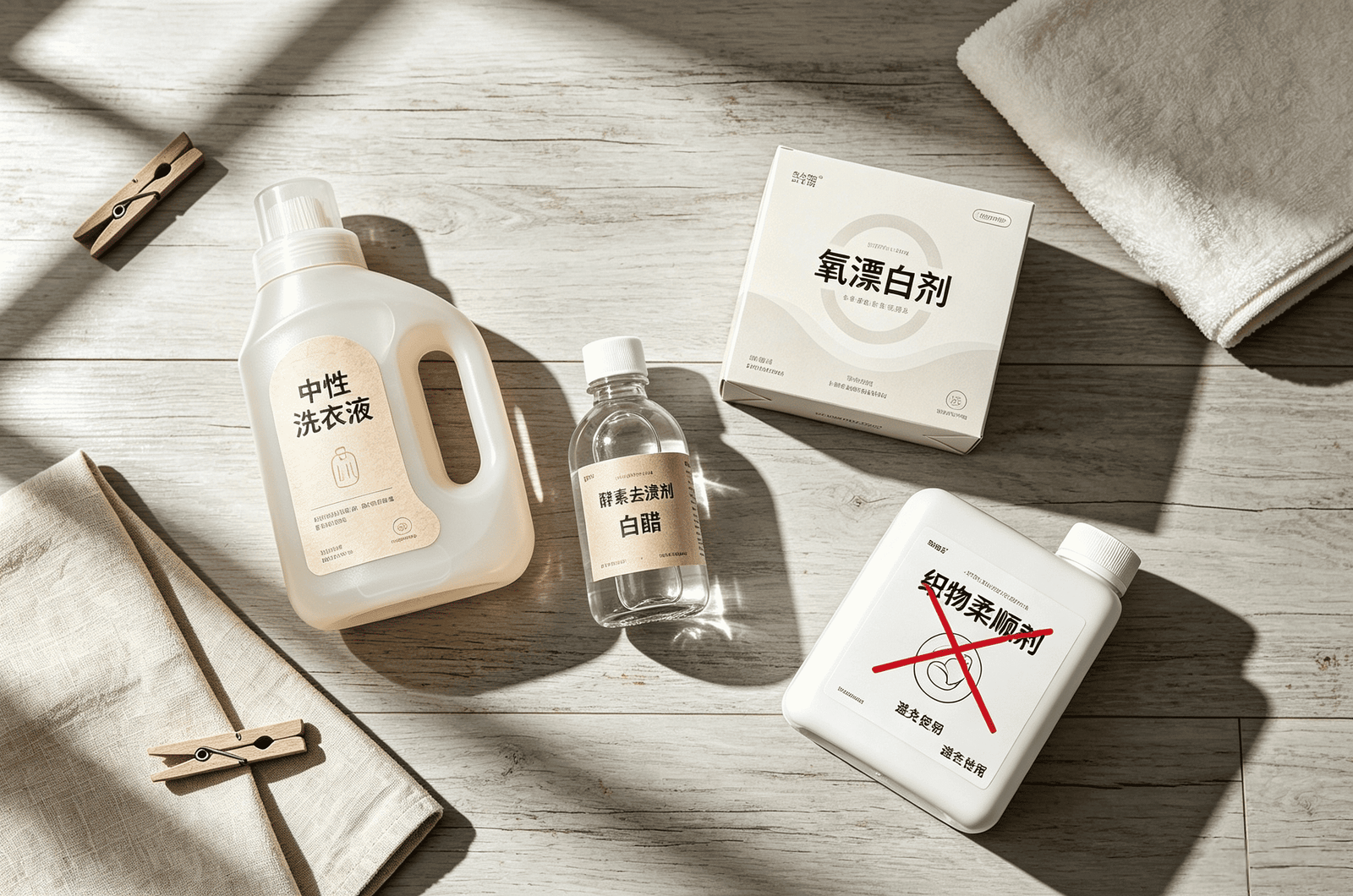
Why mild wins
Powder can leave residue if it does not dissolve. Liquid dissolves fast.12 Enzymes help with food and sweat. They do not harm linen if you rinse well. Softeners can coat fibers and block breathability. Vinegar helps break minerals. It keeps fabric soft without coating.
Care product table
| Product | Safe for linen | When to use | Avoid when |
|---|---|---|---|
| Mild liquid detergent | Yes | Most washes | N/A |
| Enzyme detergent | Yes (test) | Food, sweat, body oils | Very delicate dyes |
| Oxygen bleach | Yes (test) | Whites, some colors | Unstable dyes |
| Chlorine bleach | No | Never | Always |
| Fabric softener | No | Never | Always |
| White vinegar | Yes (rinse) | Hard water | If label forbids acids |
A small tip I love
I pre-mix detergent with water before I pour it in. This prevents spots on the fabric. I also clean the washer seal often. Lint and dye can hide there.
Can I prevent wrinkles without babying my linen?
Wrinkles give linen its charm. Still, deep creases can look messy. I avoid those with timing and a few small moves.
Shake and smooth right after washing. Dry until just damp. Tumble on low for 5 minutes. Remove at once. Smooth by hand. Steam while hanging. Fold or hang with space.
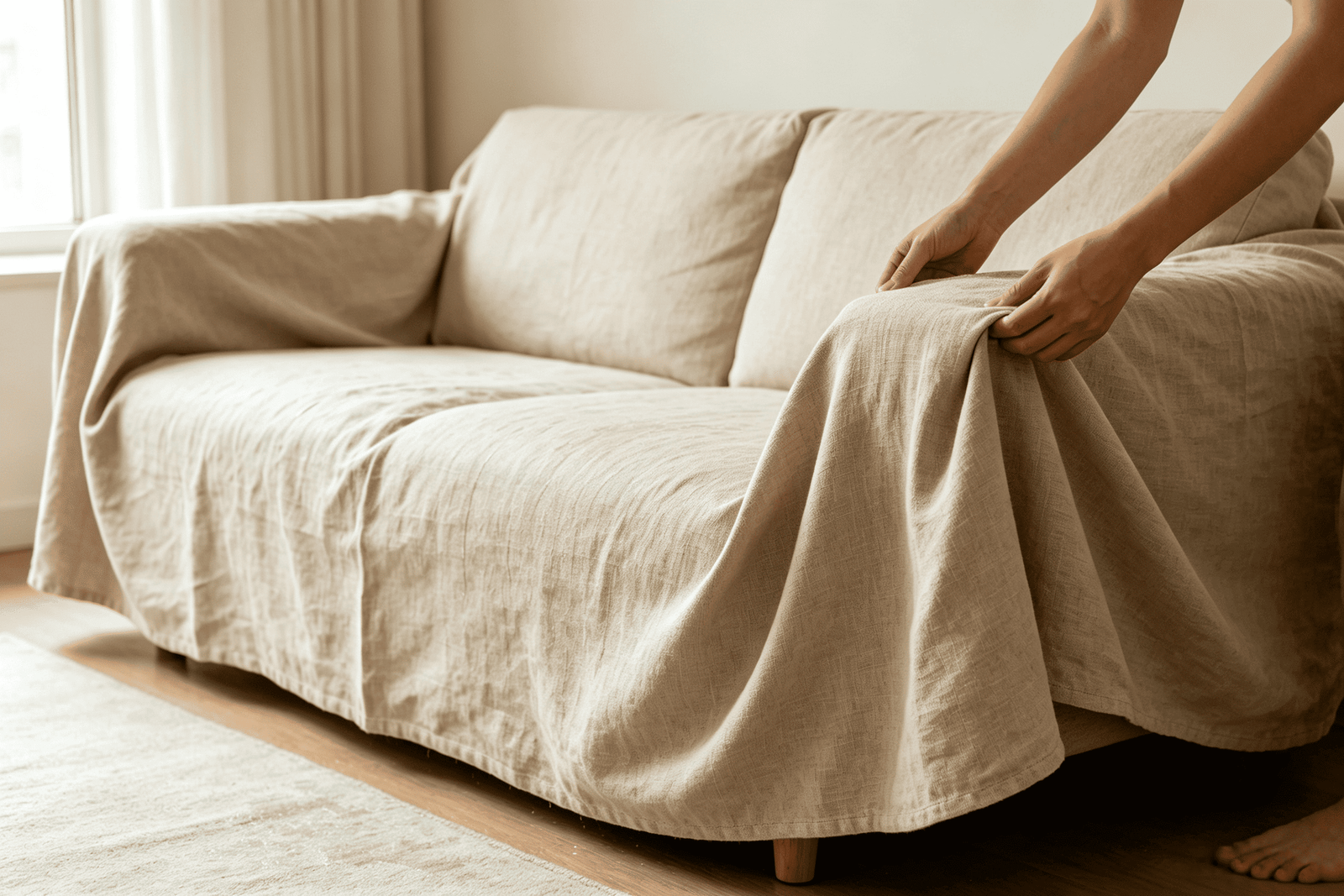
Timing is everything
The window between wet and bone dry is where you win. Linen is easy to shape when damp. I never leave it in the machine. I never overdry. I plan my laundry so I can pull and shape on time. This cuts my ironing to near zero.
Anti-wrinkle table
| Step | When | Effect |
|---|---|---|
| Shake and snap | Right after wash | Aligns fibers, reduces creases |
| Air to damp | Mid dry | Sets shape gently |
| Short tumble | Late dry | Lifts wrinkles |
| Steam on hanger | Final | Smooths without pressing |
Real life note
I run a busy workshop. I still follow this sequence at home. It saves time. It keeps our sofa covers crisp. It keeps our sheets soft.
Conclusion
Wash linen cool on gentle with mild detergent. Dry to damp. Smooth. Steam to finish. Treat stains fast and safe. Test dyes. When unsure, choose the gentler path first.
If you’re sourcing custom removable linen slipcovers or full organic modern linen furniture for US residential projects, our 13-year Foshan factory pre-washes all linen fabrics before shipment to minimize shrinkage risk. We provide a printed linen care guide with every order. Message us via WhatsApp to request free fabric swatches, factory virtual tours or custom project quotations.https://linenworld.pro
"Understand Your Fibers | Textiles - University of Georgia", https://site.extension.uga.edu/textiles/textile-basics/understand-your-fibers/. University textile-care guides for cellulose fabrics note that high-temperature laundering increases shrinkage risk and can accelerate strength loss in linen; cooler wash temperatures are recommended to limit dimensional change. Evidence role: expert_consensus; source type: education. Supports: That laundering linen in hot water increases risk of shrinkage and contributes to fiber weakening compared with cool–warm cycles.. Scope note: Guidance-level consensus rather than a single quantified experiment; exact shrinkage depends on fabric construction and finishing. ↩
"Linen - Wikipedia", https://en.wikipedia.org/wiki/Linen. Encyclopedic overviews of linen care recommend washing in cool to lukewarm water on a gentle cycle to reduce wrinkling and shrinkage while adequately cleaning the fabric. Evidence role: general_support; source type: encyclopedia. Supports: That standard care recommendations for linen advise cool to lukewarm water and gentle mechanical action to minimize creasing and shrinkage.. ↩
"The Influence of the Chemical Composition of Flax and Hemp Fibers ...", https://pmc.ncbi.nlm.nih.gov/articles/PMC10935324/. Fiber-property summaries for linen state that, as a cellulose fiber, it becomes stronger when wet, which helps it withstand laundering without as much loss of integrity as some fibers. Evidence role: mechanism; source type: encyclopedia. Supports: That linen (flax), like other cellulose fibers, exhibits increased strength when wet compared with dry.. Scope note: Source addresses increased wet strength rather than subjective ‘flexibility’ specifically. ↩
"Industrial washing conditions as factor that influence the cellulose ...", https://pmc.ncbi.nlm.nih.gov/articles/PMC10374651/. Laundry and textile-care references caution that hypochlorite bleach degrades cellulose, so repeated or strong use can weaken linen and lead to fiber breakage. Evidence role: mechanism; source type: education. Supports: That sodium hypochlorite bleach can degrade cellulose fibers, weakening linen and increasing risk of holes.. Scope note: Damage depends on concentration, exposure time, and fabric finishing; some white linens may tolerate occasional diluted use. ↩
"Stain Removal - Greenwood County Extension Office", https://www.greenwood.k-state.edu/homeandfamily/stainremoval/. Textile stain guides recommend starting with cold water for protein stains like blood or milk, because heat can coagulate proteins and make removal more difficult. Evidence role: mechanism; source type: education. Supports: That fresh protein stains are best treated with cold water to avoid coagulation that can lock residues into fibers.. Scope note: Older or set protein stains may require enzymatic treatment and progressively warmer washes. ↩
"Enzymes in Laundry Detergents - Engineering Information Technology", https://user.eng.umd.edu/~nsw/ench485/lab2.htm. University stain-removal guides recommend enzyme detergents for food and perspiration stains because enzymes help break down protein- and body-oil components before washing. Evidence role: mechanism; source type: education. Supports: That enzyme-containing detergents are recommended for food, sweat, and other biological stains due to their ability to break down proteins and related soils.. Scope note: Some dyes and finishes may be sensitive; patch testing is advised. ↩
"[PDF] G89-922 Stain Removal for Washable Fabrics (Revised April 1999)", https://digitalcommons.unl.edu/cgi/viewcontent.cgi?article=2397&context=extensionhist. Stain-removal references advise against applying heat before a stain is removed, noting that heat can set many common stains and make subsequent cleaning more difficult. Evidence role: mechanism; source type: education. Supports: That heat exposure (e.g., hot water or drying) can fix certain stains into fibers, complicating later removal.. Scope note: Effect varies by stain chemistry; some soils are less affected. ↩
"Remove Stains From Ink (Ballpoint, Felt Tip, India, Mimeo, Stamp Pad)", https://site.extension.uga.edu/textiles/care/stain-removal/remove-stains-from-ink-ballpoint-felt-tip-india-mimeo-stamp-pad/. Stain-removal charts from university extensions commonly advise blotting ink stains with isopropyl alcohol to solubilize the ink before rinsing and washing. Evidence role: general_support; source type: education. Supports: That dabbing with isopropyl alcohol is a commonly recommended approach for many ink stains prior to rinsing and laundering.. Scope note: Ink formulations vary; alcohol can spread or fix certain inks, so spot testing is necessary. ↩
"Why does ultraviolet light cause color to fade? - Library of Congress", https://www.loc.gov/everyday-mysteries/categories/physics/item/why-does-ultraviolet-light-cause-color-to-fade/. Textile conservation literature documents that exposure to sunlight accelerates dye fading and fiber photo-degradation; avoiding direct sun helps preserve dark colors. Evidence role: mechanism; source type: institution. Supports: That ultraviolet and visible light exposure cause dye fading and photo-degradation in textiles, increasing color loss in dark fabrics.. Scope note: Household exposure is typically lower than museum scenarios; fading risk scales with intensity and duration. ↩
"The Best Way to Iron Linen Clothing - The Spruce", https://www.thespruce.com/how-to-iron-linen-clothes-2146184. Linen care overviews note that ironing is most effective when the fabric is still slightly damp, allowing creases to relax more readily. Evidence role: general_support; source type: encyclopedia. Supports: That standard linen care guidance recommends ironing while damp for optimal results.. ↩
"Investigation of the effect of different process variables on color and ...", https://pmc.ncbi.nlm.nih.gov/articles/PMC8361075/. Laundry-care references state that cooler wash temperatures reduce dye migration and color transfer, helping maintain the appearance of dark and bright fabrics. Evidence role: expert_consensus; source type: education. Supports: That lower wash temperatures reduce dye bleeding and help preserve dark and bright colors.. Scope note: Cold water may remove heavy soils less effectively unless detergents formulated for low temperatures are used. ↩
"Laundry detergent - Wikipedia", https://en.wikipedia.org/wiki/Laundry_detergent. Overviews of laundry detergents explain that powders must dissolve fully to avoid residues, particularly in cold-water cycles, whereas liquids are already in solution and typically disperse faster. Evidence role: mechanism; source type: encyclopedia. Supports: That powder detergents require dissolution and may leave residues in low temperatures or low-water conditions, while liquid detergents are pre-dissolved and disperse readily.. Scope note: Modern cold-water-formulated powders can dissolve effectively when dosed and loaded correctly. ↩


