I've watched too many designers choose a factory based on the lowest quote, only to panic three months later when their client's dining chairs arrive in the wrong fabric. It is a recurring industry pain point that many suppliers relying solely on ultra-low pricing lack standardized communication and production control systems, which frequently trigger misalignment, timeline delays and damaged client relationships that far erase initial cost savings.
Designer furniture sourcing isn't about finding the cheapest manufacturer—it's about matching your project's complexity to a factory's actual capabilities. Before you request quotes, you need to verify whether a supplier can interpret design intent, handle custom specifications, and deliver without forcing you to renegotiate timelines with your client.
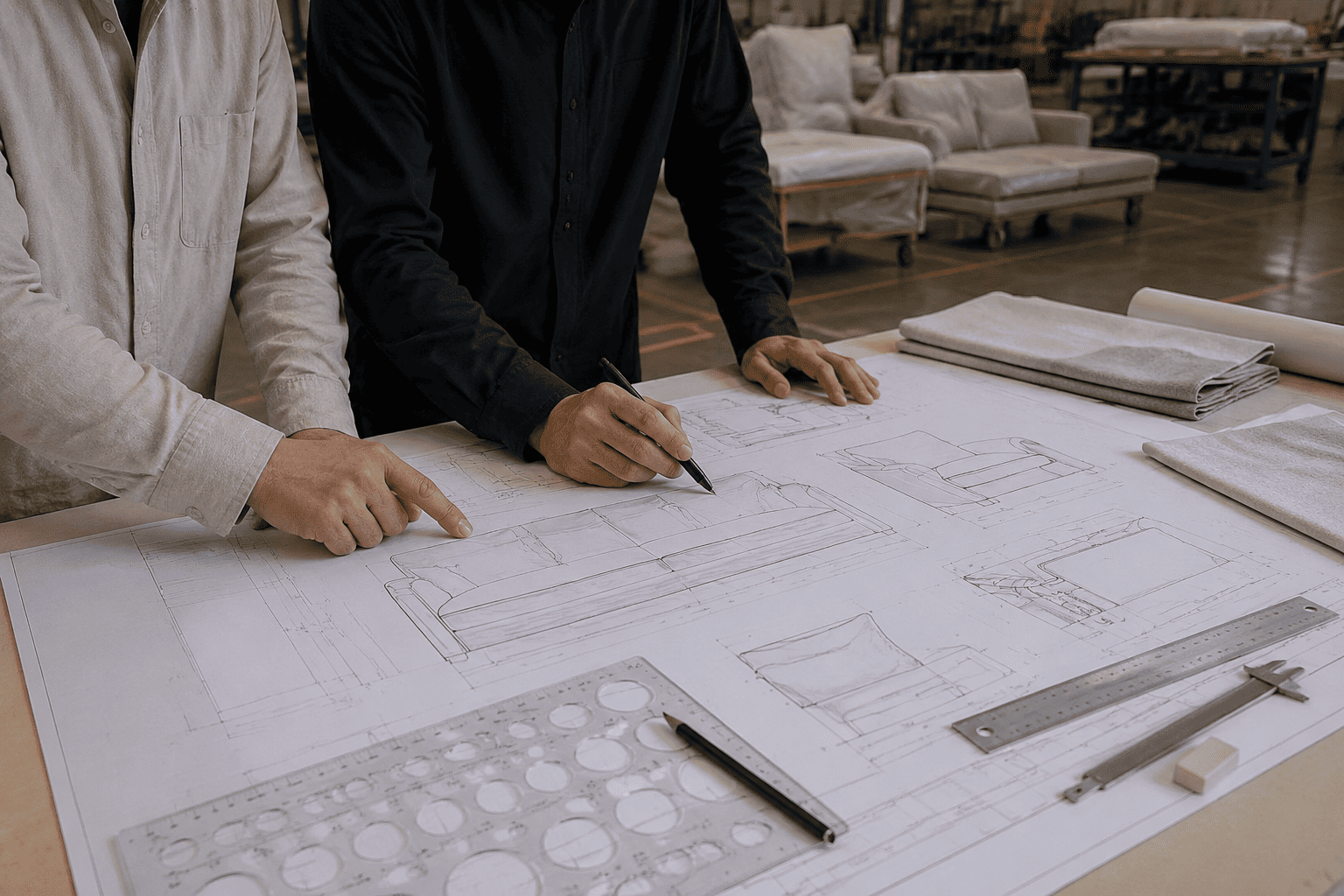
Most designers approach sourcing like a pricing exercise when they should treat it like hiring a project partner. The difference becomes painfully clear when your "affordable" supplier ships a sofa that doesn't match the approved prototype.
What Does "Custom Capability" Actually Mean in Designer Furniture?
Factories advertise custom services without clarifying what they can customize. You need to distinguish between superficial flexibility and genuine design adaptation before you commit to a supplier.
True custom capability means a factory can modify structural elements, offer alternative materials that maintain your design intent, and produce accurate prototypes from technical drawings1—not just swap fabric colors on existing frames.
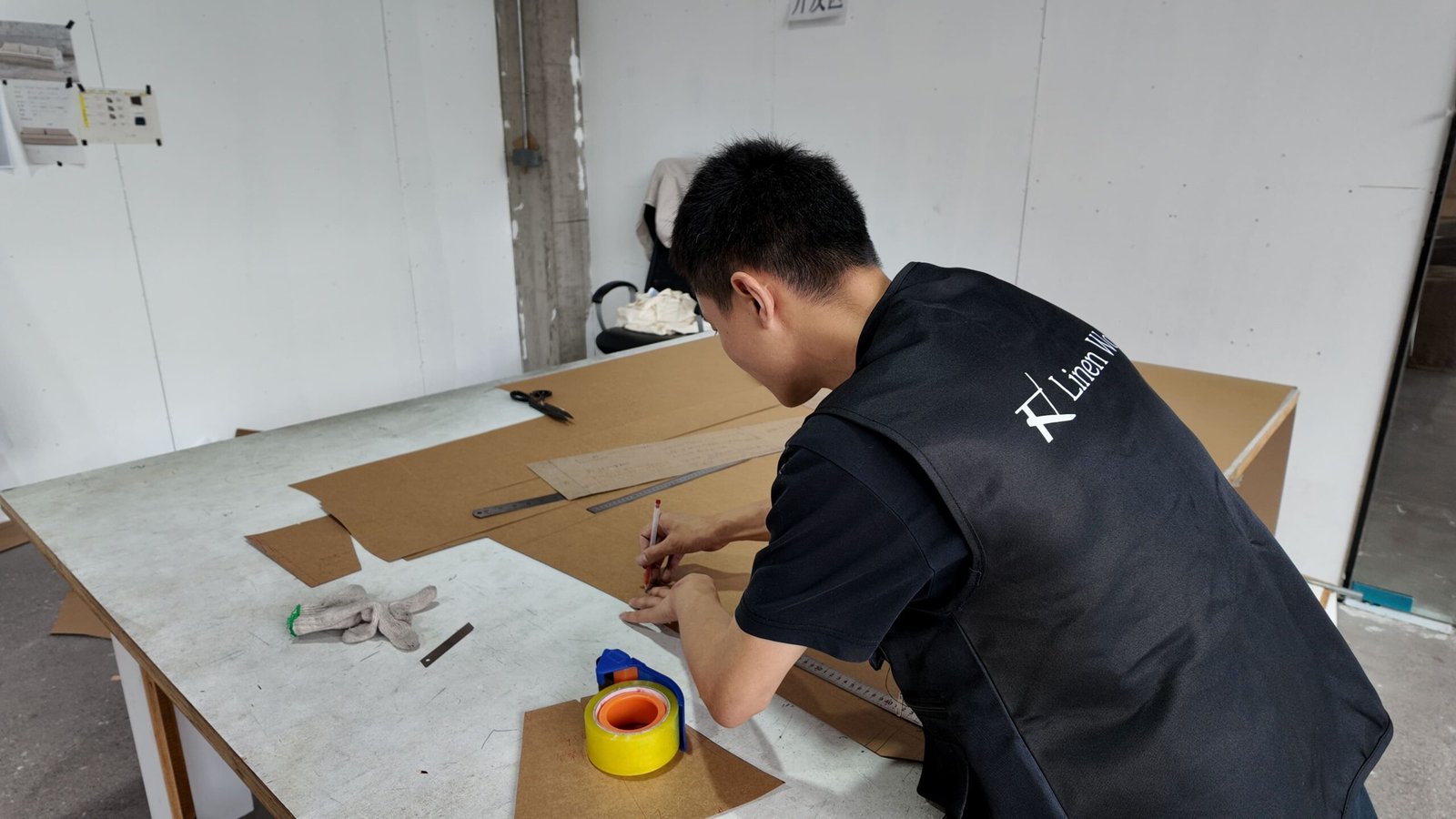
When we receive custom inquiries at our facility, the first question I ask is "What problem are you solving for your client?" Not "What dimensions do you need?" because dimensions without context create furniture that technically meets specifications but fails functionally. A designer recently asked us to replicate a Blasco armchair at a lower price point. Instead of quoting immediately, we asked about seat depth preference, whether the client had pets (linen durability concerns), and if they needed performance fabric backing2. These questions revealed the original design wouldn't work for their actual use case.
Real custom capability shows up in three areas:
| Capability Area | What It Enables | What Failure Looks Like |
|---|---|---|
| Pattern-making expertise | Adapting frame proportions while maintaining structural integrity | Quoted furniture arrives with sagging cushions or unstable legs because factory scaled dimensions without engineering knowledge |
| Fabric sourcing infrastructure | Offering material alternatives when your specified linen is unavailable | Project stops completely when factory can't source your fabric choice and has no substitution process |
| Prototyping accuracy | Producing samples that match final production quality | Approved prototype uses premium materials but production units use cheaper alternatives without notification |
I've seen factories quote custom projects they have no capacity to execute. The warning sign is when a supplier agrees to everything without asking clarifying questions. If a factory doesn't probe about finish requirements, usage context, or design flexibility during the inquiry phase, they're either overconfident or don't understand what you're requesting. A competent supplier will tell you when your specification conflicts with manufacturing reality—like when a designer wants eight-inch legs on a deep-seat sofa, creating tip-over risk3.
The "we do custom" claim means nothing without evidence. Request photos of previous custom projects that show design variety, not just color changes on the same frame. Ask how they handle design briefs—do they require technical drawings, or can they work from inspiration photos? The factories equipped for designer work maintain relationships with fabric mills, employ pattern-makers who understand furniture engineering, and use prototyping as a standard step, not an optional add-on.
Why Does the Lowest Quote Usually Signal the Highest Risk?
Quotes significantly below standard market levels most often stem from incomplete specification cost estimation or undisclosed material substitution plans; only a small number of highly automated compact workshops can deliver competitive pricing without compromising production standards.
Factories that underprice custom furniture either don't understand your specifications, lack the infrastructure to execute them properly, or intend to substitute materials without disclosure.
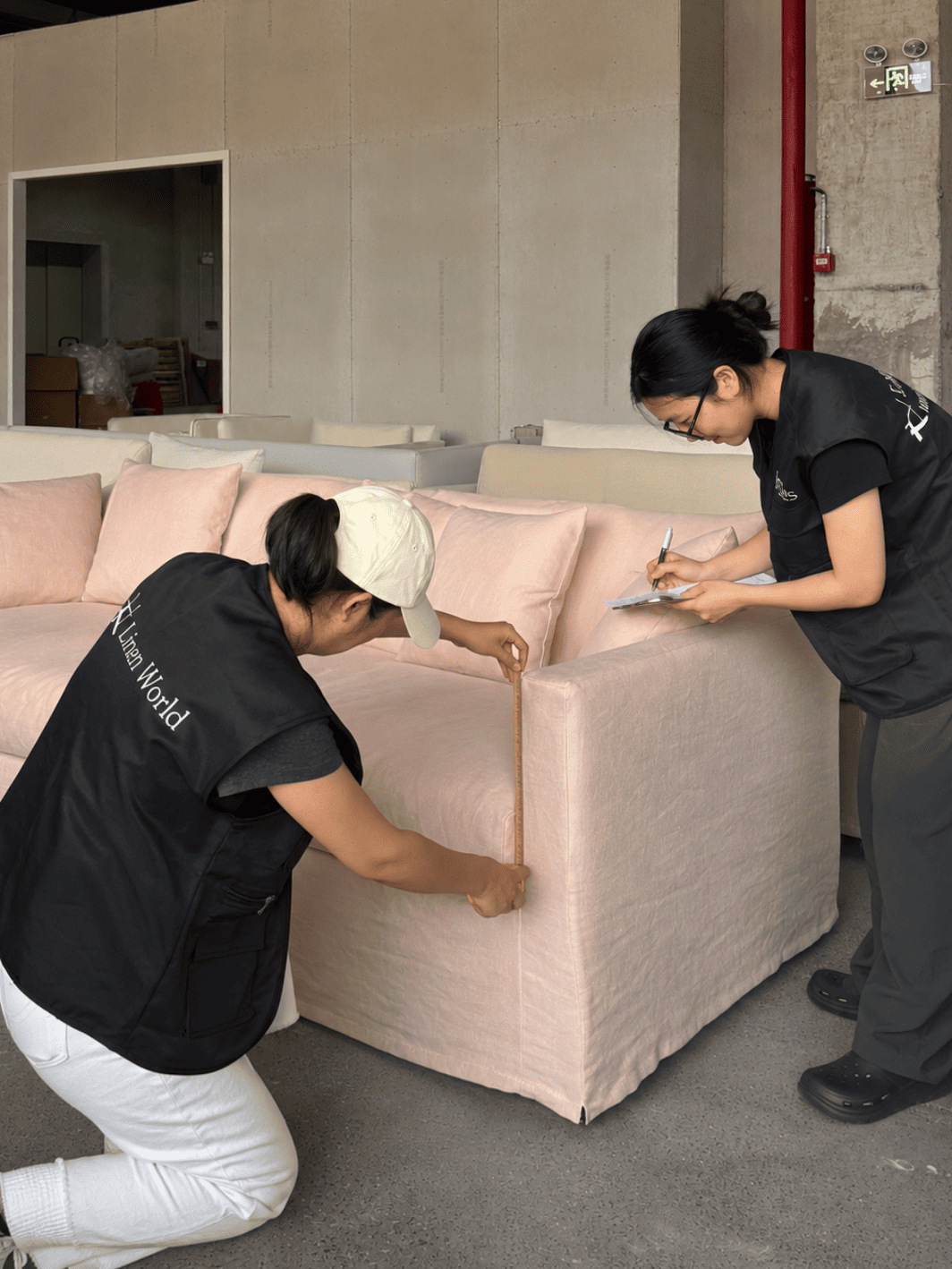
When a quote seems unusually low, the factory has made assumptions to reach that number. In our experience with US designers, underpriced quotes typically mean the supplier calculated costs based on their standard production process, not the custom requirements you specified. They assume they can use their existing foam density, their preferred linen grade, and their standard cushion construction. Then, when you provide detailed specifications, the "revised" quote appears—or worse, they proceed with their standard approach and deliver furniture that doesn't match your expectations.
The cost structure of genuine custom work includes elements that don't exist in mass production:
- Pattern development time: Creating and testing new frame proportions before production starts
- Sample iteration costs: Producing multiple prototypes until the design matches your vision
- Specialized material procurement: Sourcing specific linen weights, performance backing, or COM fabric handling
- Quality control overhead: Inspecting one-off pieces requires more attention than batch production
I once quoted a custom linen bed for a California designer at $2,400, while a competitor quoted $1,600. The designer chose the competitor, then contacted us six weeks later in crisis mode. The cheaper factory had shipped a bed frame in the wrong linen color with visibly uneven stitching. They had no process for color approval and no quality photos before shipping. The designer ended up paying for return shipping, reordering from us with rushed production fees, and compensating their client for the delay. The "savings" cost them an additional $1,800 plus damaged client trust.
Price-focused sourcing creates three expensive failure modes: timeline disruption when the factory can't deliver as promised, quality compromise when they substitute materials to meet their quoted price, and communication breakdown when you discover they never understood your specifications. A slightly higher quote from a factory that asks detailed questions during inquiry costs less than recovering from a failed delivery.
How Do Delivery Delays Actually Damage Your Business?
A two-week shipping delay doesn't just postpone furniture arrival—it cascades into client relationship damage and project coordination failures4 that extend far beyond the late delivery date.
When custom furniture arrives late, you must renegotiate timelines with clients, coordinate rescheduling with installation teams, and manage the reputational risk of being the designer who couldn't deliver—all while still needing to maintain the supplier relationship for future corrections.
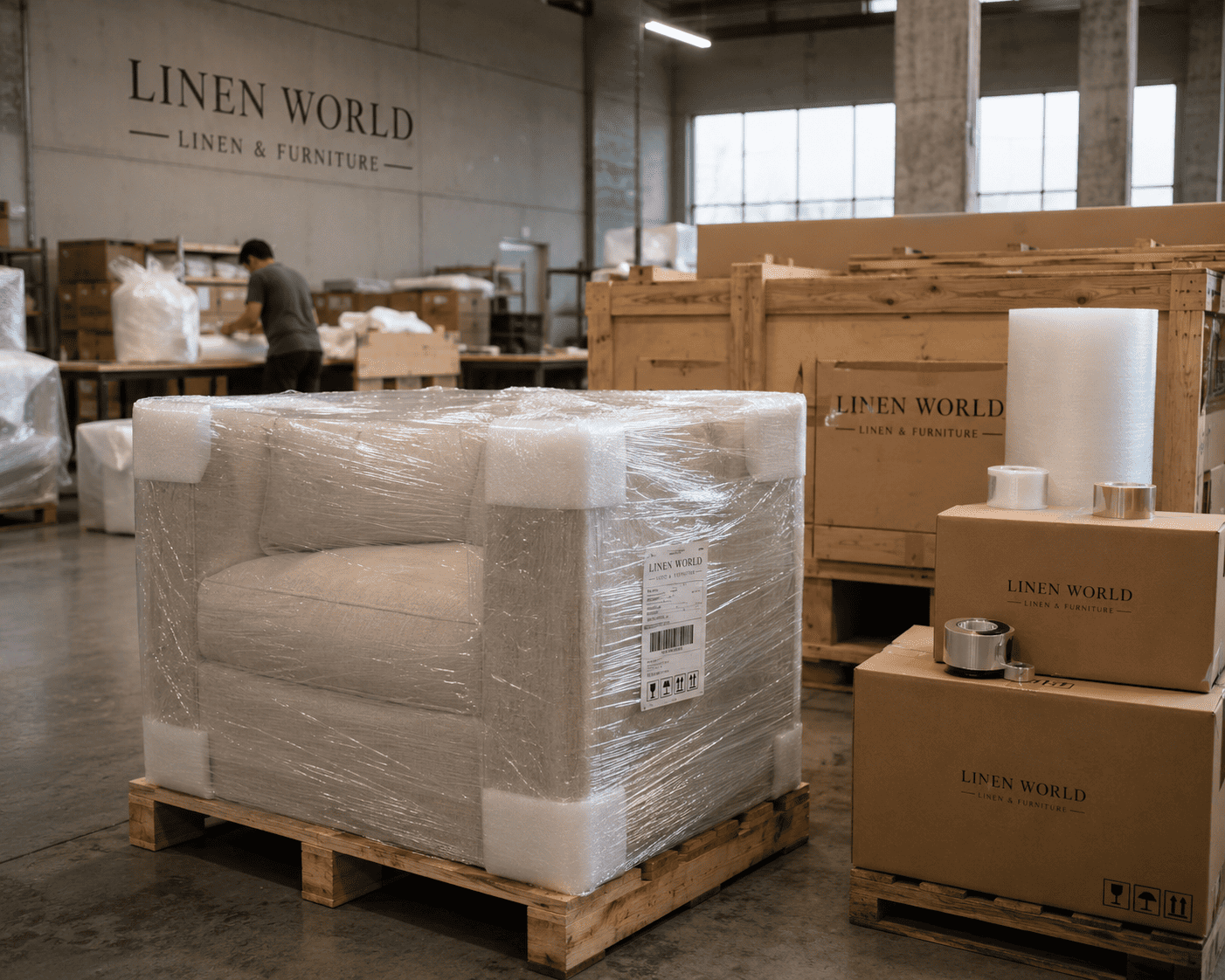
Designers often underestimate how delivery timing connects to their broader project schedule. You're not just waiting for a sofa—you're coordinating with contractors finishing the space, managing client expectations about move-in dates, and scheduling photography for portfolio work. When furniture delays push back these dependent activities, the cost isn't just the late delivery; it's the compounded disruption.
We ship to designers who have already scheduled installation dates with their clients. A delay on our end means they must call their client to explain the postponement, contact their installation team to reschedule (often paying rescheduling fees), and potentially delay the photoshoot they planned for portfolio marketing. One designer told me a three-week delay on dining chairs cost her $2,000 in rescheduling fees and lost her a referral because her client's dinner party happened without the custom chairs.
The timeline risk factors to evaluate during sourcing:
| Risk Factor | What to Verify | Red Flag Response |
|---|---|---|
| Production lead time claims | Ask for photo documentation showing progress at week intervals | Factory provides only "we'll send photos when ready" assurance |
| Shipping method transparency | Request explanation of sea freight vs. air freight timing and cost differences5 | Supplier quotes delivery timeframe without clarifying shipping method included |
| Buffer time honesty | Inquire whether quoted timeline includes customs clearance and potential delays6 | Factory quotes production time only, ignoring 2-4 week shipping transit |
The factories that reliably meet timelines build buffer into their estimates and communicate proactively when issues arise. When we quote 8-10 weeks for custom linen upholstery7, that includes two weeks of buffer for fabric sourcing variability and potential shipping delays. Factories that quote aggressive timelines with no buffer are either overconfident or prioritizing winning the bid over realistic delivery.
I've noticed designers who verify production capacity before ordering experience fewer delays. Ask how many custom projects the factory currently has in production, whether they outsource any construction steps, and how they handle fabric delays when your specified linen isn't in stock. A factory running at full capacity can't absorb unexpected complications without pushing timelines. The suppliers who say "we're currently producing X custom pieces and can start yours in Y weeks" demonstrate planning discipline.
What Questions Should You Ask Before Requesting a Quote?
The questions you ask during initial inquiry reveal more about a factory's capabilities than their marketing materials—and the questions they ask you reveal even more.
Before requesting pricing, verify whether the factory maintains fabric inventory depth, employs pattern-makers who can modify designs, and uses prototyping as standard practice for custom work—not as an expensive add-on.
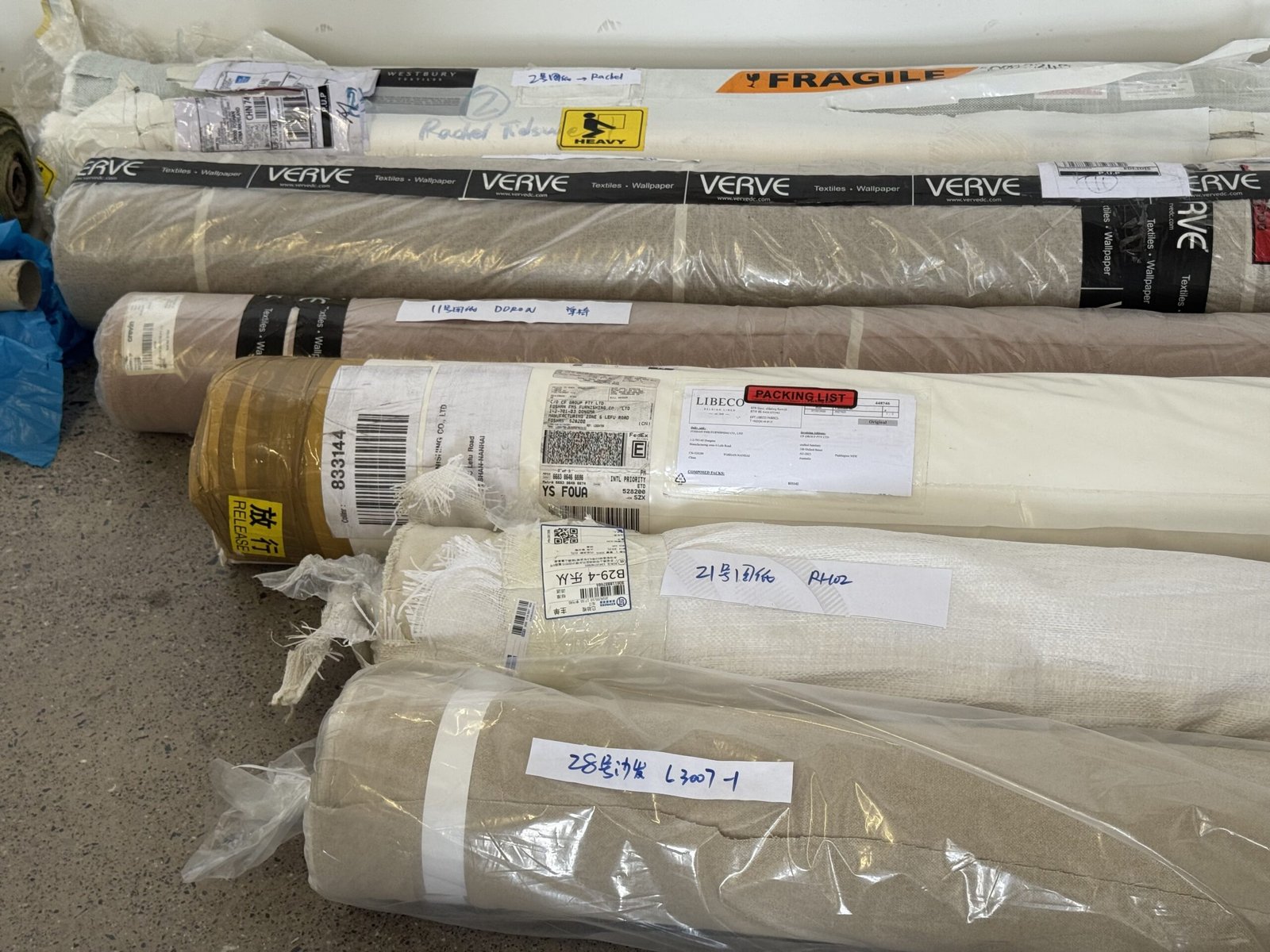
Most designers send the same inquiry to multiple factories: dimensions, desired fabric, and delivery location. This approach generates comparable quotes but doesn't help you evaluate capability differences. The factories worth working with will respond with questions before quoting.
When designers contact us about custom linen furniture, I ask about usage context before discussing price. Is this for a family with young children? Do they have pets? Is the space high-traffic? These questions aren't small talk—they determine whether we recommend performance-backed linen, suggest darker color options that hide wear, or advise about cushion fill density8. Factories that skip these questions either don't know why the answers matter or don't plan to adjust recommendations based on use case.
The inquiry phase questions that predict sourcing success:
Questions you should ask:
- Can you show me photos of previous custom projects that modified frame proportions, not just fabric colors?
- What happens if my specified linen color is unavailable—do you have alternative options or must we wait?
- Do you maintain fabric inventory or order materials after receiving my deposit?
- How many revision rounds does prototyping include before additional fees apply?
- What documentation do you provide during production (progress photos, fabric approval swatches, pre-shipping inspection)?
Questions competent factories should ask you:
- What's the primary use case for this furniture—will it receive heavy daily use?
- Are you working from technical drawings or inspiration photos?
- Do you have flexibility on dimensions if we identify structural concerns?
- What's your project timeline—is this delivery date fixed or estimated?
- Have you worked with linen upholstery before, or should we discuss care requirements?
I recently received an inquiry from a New York designer who provided detailed CAD drawings for custom dining chairs. Instead of quoting immediately, I asked why they specified 18-inch seat depth when standard dining chairs use 20 inches9. Turns out they were replicating a vintage design without realizing the original dimensions created uncomfortable seating for extended meals. We recommended adjusting to 19.5 inches, which they appreciated—and that conversation built trust before pricing discussion.
The factories equipped for designer work maintain what we call "200+ linen color options." This isn't marketing language; it means we stock sufficient fabric inventory to offer immediate alternatives when your first choice isn't available. Maintaining this inventory requires capital investment and warehouse space. Factories that "order fabric after deposit" might offer lower quotes, but they add 3-4 weeks to your timeline and can't pivot when your specified color is discontinued.
How Do You Evaluate Whether Finished Products Will Match Approved Designs?
The gap between prototype approval and final delivery is where most custom furniture projects fail—and where you have the least control once production starts.
Product consistency requires factories that photograph progress at key production stages, use written specifications to guide production teams, and implement inspection protocols that catch deviations before shipping.
Designers approve prototypes, then receive production units that look noticeably different. The fabric shade is slightly off, the cushion firmness doesn't match, or the stitching pattern changed. These inconsistencies happen when factories don't transfer prototype specifications to their production team effectively.
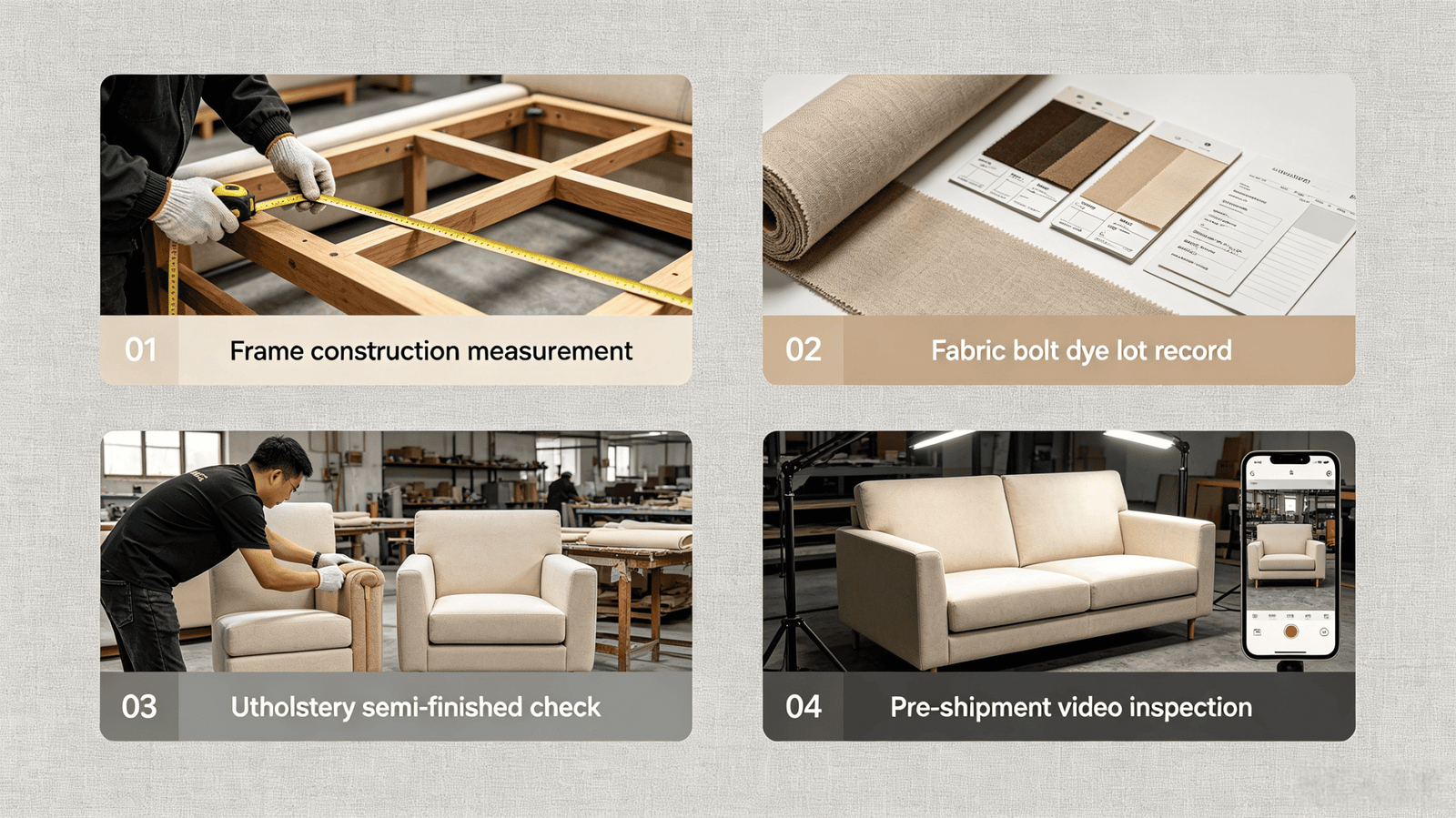
In our facility, when a designer approves a prototype, we create a specification sheet with photos documenting every detail: exact fabric color with dye lot number10, cushion fill composition and density, stitching pattern and thread color, leg finish with stain code. This sheet guides production and serves as the quality control reference. Factories without this documentation process rely on production workers remembering details from a prototype they made weeks earlier.
The verification checkpoints that prevent delivery surprises:
| Production Stage | What to Verify | How to Verify It |
|---|---|---|
| Fabric cutting | Correct color and sufficient yardage | Request photo of fabric bolt with visible dye lot number |
| Frame construction | Accurate dimensions and joint quality | Ask for photos showing key measurements and corner joinery |
| Upholstery completion | Stitching consistency and fabric tension | Require multiple angles showing seam alignment and cushion fill |
| Pre-shipping inspection | Overall appearance matches prototype | Request video walkthrough showing furniture from all angles |
I've learned that factories willing to provide detailed progress documentation rarely deliver surprises. When we produce custom linen sofas for US designers, we send photos at fabric cutting, frame completion, upholstery finish, and pre-shipping inspection. This isn't extra service—it's the minimum documentation needed to ensure production matches approval. Factories that repeatedly delay or refuse to provide stage-by-stage production photos raise major transparency red flags around process stability and finished quality consistency.
The designers who avoid delivery disappointments build verification into their deposit structure. Instead of paying 50% upfront and 50% on completion, negotiate 40% at order, 30% at upholstery completion with photo approval, and 30% at final inspection. This payment structure incentivizes the factory to communicate during production rather than presenting finished products as fait accompli.
Conclusion
Designer furniture sourcing succeeds when you evaluate factories based on their ability to translate design intent into deliverables without timeline disruption. Choose suppliers who ask questions during inquiry, demonstrate custom capability through previous projects, and provide documentation throughout production—these practices predict project completion better than competitive pricing.
If you are an interior designer sourcing custom Belgian linen furniture for US high-end residential projects and need stable lead times with full production transparency, our 13-year Foshan factory supports full structural frame modifications, 200+ in-stock linen colors, multi-round prototype sampling and stage-by-stage photo/video QC throughout production. Message us via WhatsApp to submit your technical drawings for free capability evaluation, request fabric swatches or get customized project quotations. https://linenworld.pro
"Furniture Manufacturing Sector (NAICS 337) | US EPA", https://www.epa.gov/regulatory-information-sector/furniture-manufacturing-sector-naics-337. Industry standards for custom furniture manufacturing typically include structural modification capability, material substitution expertise, and prototype accuracy from technical specifications. Evidence role: definition; source type: research. Supports: Establishes industry-recognized criteria for custom furniture manufacturing capabilities. Scope note: Standards may vary by furniture category and manufacturing region ↩
"Upholstery Backing Materials: Performance Essentials", https://sbifinishing.com/upholstery-backing-materials-the-hidden-layer-that-defines-fabric-performance/. Performance backing in upholstery fabrics typically involves applying protective layers or treatments that enhance durability, stain resistance, and dimensional stability while maintaining the face fabric's aesthetic properties. Evidence role: mechanism; source type: research. Supports: Explains the function and benefits of performance backing in upholstery applications. Scope note: Specific performance characteristics vary by backing type and application method ↩
"CPSC Makes Grave Error, Increasing Children's Risk Of Death From ...", https://www.cpsc.gov/About-CPSC/Commissioner/Richard-Trumka/Statement/CPSC-Makes-Grave-Error-Increasing-Children%E2%80%99s-Risk-Of-Death-From-Furniture-Tip-Over-And-Creating-Legal-Peril-For-Agency. Furniture stability depends on the relationship between center of gravity, base width, and height, with disproportionate leg height relative to seat depth potentially compromising stability. Evidence role: mechanism; source type: government. Supports: Explains the relationship between furniture proportions and stability risk. Scope note: Specific tip-over thresholds vary based on overall furniture design and weight distribution ↩
"Resilience strategies to recover from the cascading ripple effect in a ...", https://pmc.ncbi.nlm.nih.gov/articles/PMC9038444/. Research on project management and supply chain coordination shows that delays in critical path items create cascading disruptions to dependent activities and stakeholder relationships. Evidence role: general_support; source type: research. Supports: Demonstrates how delays in one project component create cascading effects on dependent activities. Scope note: The magnitude of cascading effects varies based on project complexity and timeline buffers ↩
"Air Freight vs Sea Freight: Cost, Shipping, Carbon Footprint & More", https://www.freightos.com/freight-resources/air-freight-vs-ocean-freight-making-the-decision/. Sea freight typically requires significantly longer transit times than air freight but at substantially lower cost per unit, with the differential particularly pronounced for bulky items like furniture. Evidence role: statistic; source type: institution. Supports: Establishes the timing and cost trade-offs between shipping methods. Scope note: Specific timing and cost differences vary by route, carrier, and shipment characteristics ↩
"What is the process to move my used household goods and ...", https://www.help.cbp.gov/s/article/Article-1392?language=en_US. Customs clearance for imported furniture typically adds processing time to international shipments, with duration varying based on documentation completeness and inspection requirements. Evidence role: general_support; source type: government. Supports: Provides context on customs clearance timeframes for imported goods. Scope note: Actual clearance times vary significantly by country, port, and shipment complexity ↩
"The characteristics of linen: all about this fabric | House of U", https://www.houseofu.com/en/blog/the-properties-of-linen-all-about-this-fabric/?srsltid=AfmBOorZ7YineoWuL98xT8qR25ScqERIcF2aR1u4fxyVxF_WUig6fcGR. Linen, a textile made from flax fibers, is valued in upholstery applications for its natural appearance, breathability, and durability, though it requires specific care considerations. Evidence role: definition; source type: encyclopedia. Supports: Establishes linen's characteristics and suitability as upholstery material. ↩
"Everything You Should Know About Cushion Foam Density", https://www.woodstockoutlet.com/content/blogs/cushion-foam-density/?srsltid=AfmBOopq-9nx2OOIzjehJuIhTACYBEqua6_QTKhB_tuGTNGp4PEVQeiA. Cushion fill density directly affects furniture comfort, durability, and shape retention, with higher-density foams generally providing better support and longer service life. Evidence role: mechanism; source type: research. Supports: Establishes the relationship between cushion fill density and furniture performance characteristics. Scope note: Optimal density depends on intended use, with different applications requiring different density specifications ↩
"[PDF] Ergonomics and Design A Reference Guide", https://ehs.oregonstate.edu/sites/ehs.oregonstate.edu/files/pdf/ergo/ergonomicsanddesignreferenceguidewhitepaper.pdf. Ergonomic guidelines for dining chair design typically specify seat depths in the range of 18-20 inches to accommodate comfortable seated posture for extended periods. Evidence role: definition; source type: research. Supports: Establishes typical seat depth dimensions for dining chairs based on ergonomic principles. Scope note: Optimal dimensions vary based on user population and specific use context ↩
"Dye Lot Consistency in Event Fabrics", https://libafabrics.com/dye-lot-mismatch-in-event-fabric/. Dye lot numbers identify fabrics produced in the same dyeing batch, as color variations can occur between different production runs even when using identical dye formulations. Evidence role: definition; source type: education. Supports: Explains the dye lot numbering system in textile manufacturing. ↩


